Was this helpful?
Thanks for your feedback!

The start of a new year always brings a renewed focus on healthy habits. People resolve to exercise more, eat better and stress less. These healthy habits are important for every person, but they are especially important if you have been diagnosed with sleep apnea.
What you eat has a significant impact on how you fall asleep, the quality of sleep you get, and your overall health. To help you better understand how foods impact sleep and sleep apnea, we’ve put together this helpful guide, “The Best and Worst Foods for Sleep Apnea.”
Bookmark this page so you can come back again when you’re doing meal planning or trying to decide what to get at a restaurant. And be sure to share with friends and family so they know the best foods for you (and them!) to eat.
If you have more questions about how diet impacts your sleep or about sleep apnea in general, our Clinical Team is here to help. Call us at 833-216-CPAP, chat with us online, email sleeptight@cpaprx.com or drop us a line.

Table of Contents Brain fog can be one of the most frustrating symptoms to deal with, especially when you’re using your CPAP therapy every night
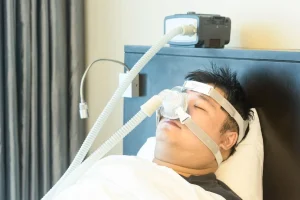
Auto CPAP machine users often turn to this advanced option after experiencing discomfort or inconsistent sleep quality with traditional CPAP devices, making it a smart
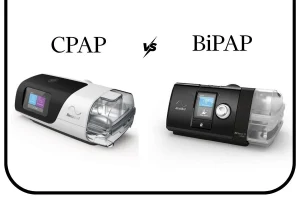
Table of Contents If you have sleep apnea, the right pressure device is usually either a CPAP or a BiPAP machine. For most people with
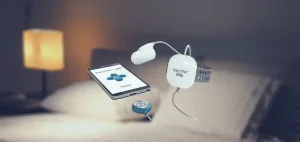
If you’ve been having a sneaking suspicion that you may have sleep apnea there’s a few avenues you’ve likely traveled. Whether you’ve spoken with your
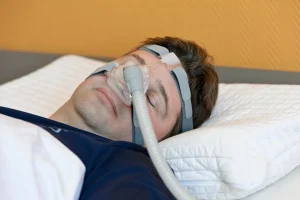
Table of Contents American Heart Month is the perfect time to talk about a health connection many people overlook, how untreated sleep apnea can quietly