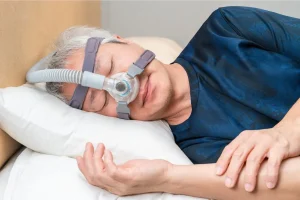
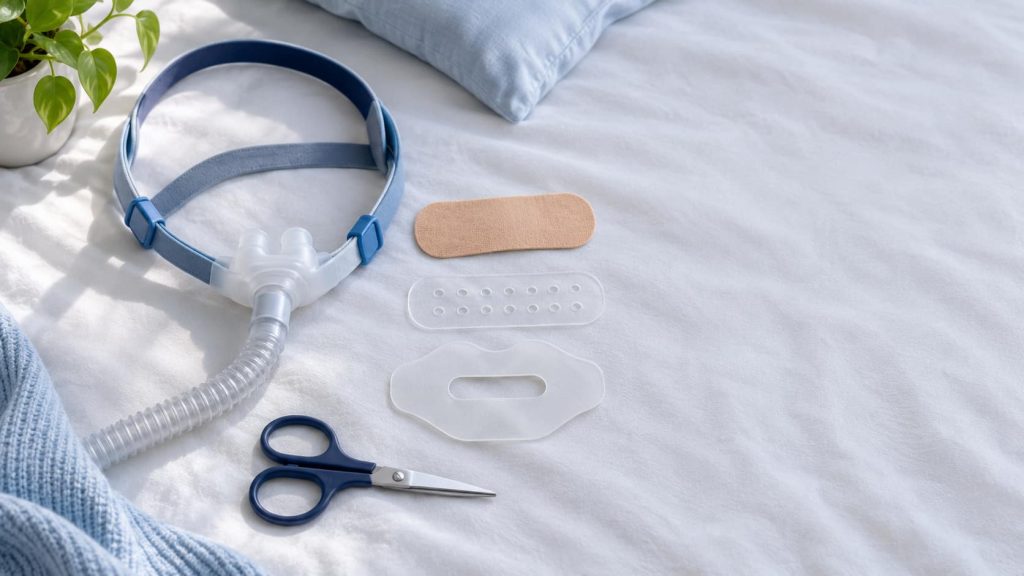
Quick Answer
The best mouth tape for CPAP is whichever strip holds through a full night without irritating your skin — for most users that means a hypoallergenic, medical-grade tape sized and shaped specifically for lips, not a generic bandage swapped in.
Search “mouth tape” and you’ll land on dozens of brands, each claiming to be gentler, stickier, or more breathable than the last. If you’ve already tried one cheap option and ended up with red, irritated skin the next morning, you’re probably done guessing and just want a shortlist that’s actually been narrowed down. That’s exactly what this guide is for — a ranked comparison, built around what matters most for CPAP users specifically: hold through a full night, comfort against sensitive skin, and whether it plays nicely with your mask. If you’re still deciding whether to tape at all, start with our guide on whether you should tape your mouth for CPAP therapy.
Before you start, check with your sleep doctor, especially if you have nasal congestion or trouble breathing through your nose. Mouth tape supports your therapy; it doesn’t replace CPAP treatment for sleep apnea.
The Best CPAP Mouth Tape, Ranked
Here are five options that consistently come up as strong choices for CPAP users, each suited to a slightly different priority.
| Mouth Tape | Best For | Style | Sensitive Skin |
|---|---|---|---|
| SomniFix Mouth Strips | Best overall | Breathable strip with small vent | Gentle adhesive |
| Hostage Tape | Strong hold for restless sleepers | Firm strip, stronger adhesive | Patch test first |
| VIO2 Mouth Tape | Beards and mustaches | Flexible strip | Forgiving removal |
| MyoTape | People who dislike tape over the lips | Wraps around the mouth, center left open | Less adhesive on the lips |
| Nexcare Sensitive Skin Tape (3M) | Sensitive or reactive skin | Low-trauma medical tape | Yes, gentlest option |
SomniFix Mouth Strips
Best OverallSomniFix sticks to a simple formula: a gentle, breathable strip with a small built-in vent, so if you need to cough or speak briefly, you’re not completely sealed shut. It’s a solid starting point for most CPAP users because it balances hold, comfort, and price without leaning too hard into any one category.
Hostage Tape
Best for Strong HoldIf you toss and turn or tend to peel other tapes off by morning, Hostage Tape is built with a stronger adhesive specifically aimed at staying put through a restless night. It runs a bit firmer than some competitors, which is a plus for hold but something to watch if your skin tends to react to stronger adhesives.
VIO2 Mouth Tape
Best for Facial HairStandard mouth tape and beards or mustaches don’t always mix well, and VIO2 was built with that specifically in mind. Its recommended “peel from the top down” removal technique and flexible material make it one of the more forgiving options for anyone with facial hair around the mouth.
MyoTape
Best Minimalist OptionRather than a strip across the lips, MyoTape wraps gently around the chin and mouth area, holding it closed without covering the center of the mouth at all. It’s a good pick for people who find a strip directly over their lips claustrophobic, though it takes a bit of adjustment to position correctly.
Nexcare Sensitive Skin Tape (3M)
Best for Sensitive SkinBuilt on 3M’s medical tape expertise, this option uses a notably gentle, low-trauma adhesive designed for skin that reacts poorly to stronger tapes. It’s covered in more detail in the next section, since sensitive skin deserves its own breakdown rather than a one-line entry on a list.
Best Mouth Tape for Sensitive Skin
If you’ve already tried a tape and woken up with redness, itching, or peeling skin, don’t assume mouth taping just isn’t for you — it’s far more likely the adhesive was the problem, not the concept. The best mouth tape for sensitive skin typically shares a few specific traits: a silicone or low-trauma adhesive, a latex-free formula, and a fabric or paper backing that flexes with your skin instead of pulling against it.
Nexcare’s sensitive-skin line and similar silicone-based tapes from smaller brands tend to perform best here, since silicone adhesives grip without the aggressive pull that standard acrylic adhesives can have. If your skin is reactive, it’s worth doing a small patch test on your jaw or forearm before committing to a full night’s use, even with a product labeled gentle.
What “Hypoallergenic” and “Medical-Grade” Actually Mean
These two words show up on almost every mouth tape label, and most people have no real sense of what they’re promising. A hypoallergenic mouth tape simply means the adhesive and backing have been formulated to reduce the likelihood of an allergic or irritant reaction compared to standard tape — it’s a meaningfully lower-risk category, but it isn’t a guarantee that nobody will react to it.
“Medical-grade” is a bit looser as a term. In practice, it usually means the tape is made from materials and adhesives originally developed for use directly on skin in clinical settings — think surgical or wound-care tape — rather than general-purpose adhesive products like packing tape or athletic tape. It’s a reasonable signal of quality, but it’s not an official certification you can look up, so it shouldn’t be the only factor you weigh when comparing products.
What Makes the Best Mouth Tape for CPAP, Really?
With so many brands making similar claims, it helps to boil the decision down to a short list of factors that actually matter for CPAP use specifically, rather than the general claims you see about mouth taping for sleep.
- Hold time. It needs to survive a full 7 to 8 hours, including any movement during the night.
- Breathability. A small vent or porous material matters if you ever need to breathe or speak briefly without fully removing it.
- Adhesive gentleness. Nightly use adds up fast, so a tape that’s comfortable once but irritating after a week isn’t a good long-term fit.
- Compatibility with your mask. Mouth tape works best with nasal and nasal pillow masks; full-face designs already cover the mouth.
- Cost per month. Strip-based tapes get used up quickly at nightly use, so price per strip matters more than the sticker price on the box.
Weighing these five factors against your specific situation does far more for finding the right fit than chasing whichever brand has the loudest marketing. If tape still doesn’t stop your mouth leaks, a CPAP mask designed for mouth breathers may be the better fix.
Matching the Right Tape to Your Setup
Not every mouth tape pairs equally well with every mask. If you’re using a nasal pillow mask, which leaves more of your face uncovered, you generally have more flexibility and can use a wider strip without interference. Full-face masks already cover your mouth, so most users don’t need tape with them, and tape under the cushion can interfere with the seal.
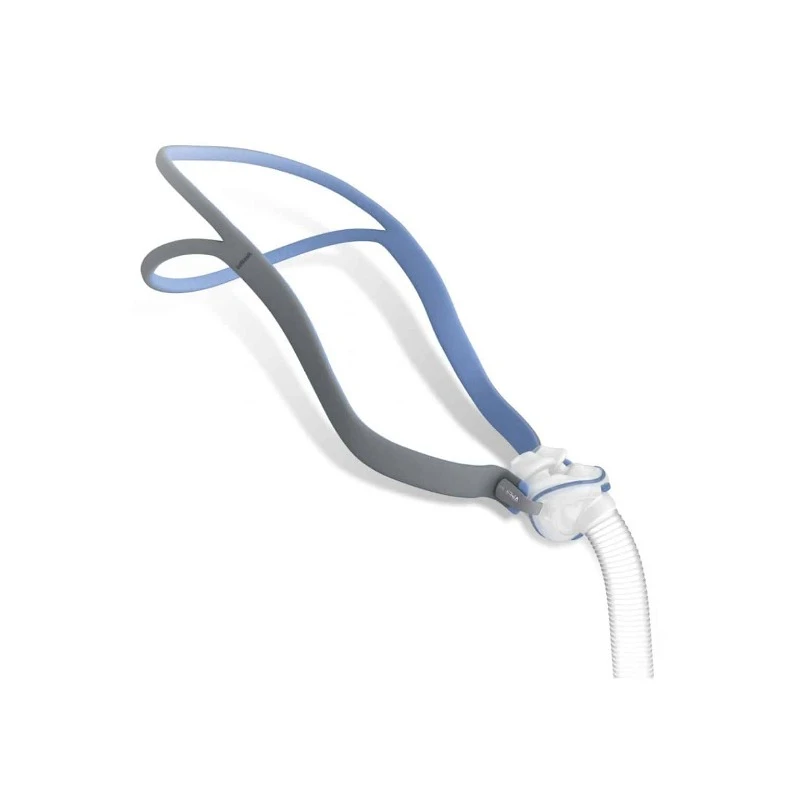
Pairs well with mouth tape
ResMed AirFit P10 Nasal Pillows Mask
A minimal nasal pillows mask that sits under your nose and leaves your lips clear, so a mouth tape strip goes on without touching the mask.
Shop the AirFit P10Lip-shield style tapes — which cover the whole mouth opening rather than a thin strip — tend to offer a stronger seal against air leaks, which can be useful for people with higher CPAP pressure settings. Plain strips are less restrictive and easier to get used to for beginners, but may allow slightly more leak at higher pressures. Neither style is objectively superior; it comes down to your pressure setting, how claustrophobic a fuller cover feels to you, and how your skin tolerates a larger adhesive area.
How Many Strips Should You Budget For?
For nightly use, most people go through roughly one strip per night, which works out to around 30 strips a month. Some brands sell in smaller packs meant more for trial runs, while others offer monthly supply packs built specifically around that nightly-use math, which usually work out cheaper per strip than buying smaller boxes repeatedly.
If you’re newer to mouth taping, starting with a smaller pack to confirm comfort and fit before committing to a month’s supply is a reasonable way to avoid wasting money on a product that doesn’t end up working for you.
Frequently Asked Questions
What is the best mouth tape for CPAP users?
The best mouth tape for CPAP users is generally one that combines a secure overnight hold with a gentle, hypoallergenic adhesive and some breathability for comfort. Options like SomniFix and Hostage Tape are frequently recommended for their balance of hold and comfort, while sensitive-skin users often do better with a silicone-based option like Nexcare. The right pick ultimately depends on your mask type, pressure setting, and how your skin reacts to adhesive.
Is expensive mouth tape worth it?
Yes, in many cases, since higher-priced tapes often use gentler adhesives, better breathability, and more consistent hold, which matters a lot for nightly, long-term use. That said, price alone isn’t a reliable quality signal — some mid-priced options perform just as well as premium brands. It’s worth testing a smaller pack of a pricier option before committing to a full monthly supply to confirm it’s actually worth the difference for you.
Which mouth tape is best for sensitive skin?
Silicone-based tapes, such as Nexcare’s sensitive-skin line, tend to work best for reactive or easily irritated skin, since silicone adhesives grip without the aggressive pull of standard acrylic tape. Latex-free formulas are also important if you have any history of adhesive sensitivity. A small patch test on your jaw or forearm before a full night’s use is a smart extra precaution, even with a product marketed as gentle.
Can I use regular medical tape instead of branded mouth tape?
Yes, many people successfully use general-purpose paper surgical tape, such as 3M Micropore, as a budget-friendly substitute for branded mouth tape. It tends to be significantly cheaper per use, though you’ll need to cut it to size yourself and may find the hold slightly less consistent than a product designed specifically for lips. It’s a reasonable option for anyone comfortable trading a bit of convenience for cost savings.
How many mouth tape strips do I need per month?
Most nightly users go through about one strip per night, which comes out to roughly 30 strips per month. Some brands sell smaller trial packs for new users, while monthly supply packs are usually the more cost-effective option once you’ve confirmed a tape works well for you. Budgeting slightly above 30 covers occasional extra nights or a strip that doesn’t apply cleanly on the first try.
Which mouth tape works best with a nasal pillow mask?
Nasal pillow masks leave more of your lower face uncovered, which gives you more flexibility in tape width and placement compared to full-face masks. Most standard strip-style tapes work well here, since there’s little risk of the tape interfering with the mask seal. Lip-shield styles also pair well with nasal pillow masks if you want a fuller seal against mouth leak at higher pressure settings.
Are lip-shield style tapes better than plain strips?
Not universally better, but they do offer a stronger seal against mouth leak, which can matter more at higher CPAP pressure settings. Plain strips are generally easier for beginners to adjust to and feel less restrictive, though they may allow slightly more air leak than a full lip-shield design. The better choice depends on your pressure setting and how comfortable fuller coverage feels to you personally.
Which mouth tape brands are FSA or HSA eligible?
Some mouth tape brands are FSA/HSA eligible, but eligibility varies by brand and by your plan administrator, so it isn’t guaranteed. Check the product listing or your FSA/HSA provider’s eligible-items list before purchasing if you’re planning to use those funds. Keeping your receipt is a good habit regardless, in case documentation is requested later.