Table of Contents
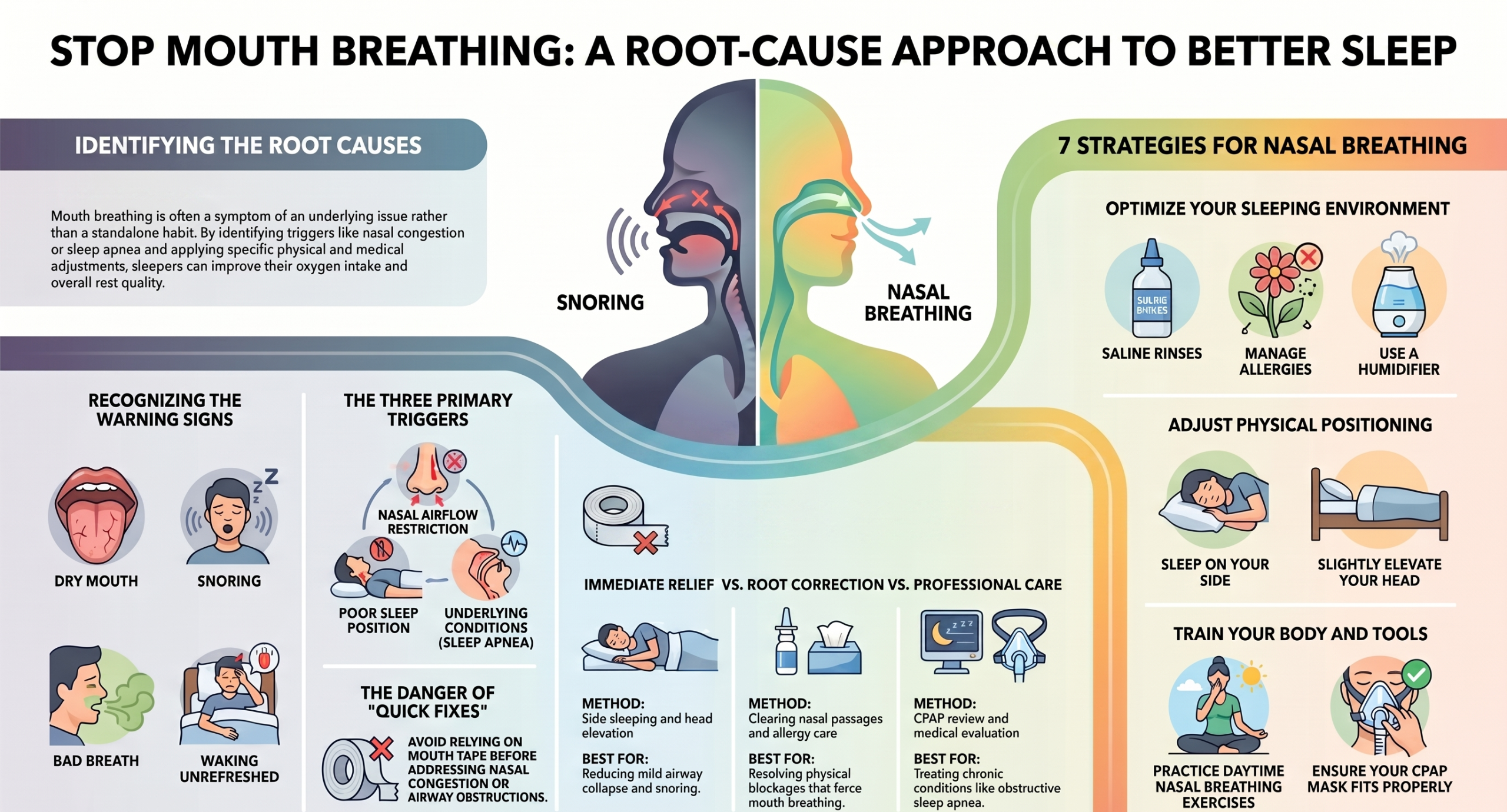
Mouth breathing while sleeping is commonly caused by nasal congestion, poor sleep position, or underlying conditions such as sleep apnea. The most effective way to stop mouth breathing while sleeping is to identify and address the root cause rather than relying on temporary fixes alone. If left untreated, mouth breathing can lead to dry mouth, disrupted sleep, snoring, and daytime fatigue.
Many women assume snoring is harmless, but understanding the difference between snoring and sleep apnea is important when symptoms become more frequent or severe.
Mouth Breathing at Night Causes: What You Need to Know
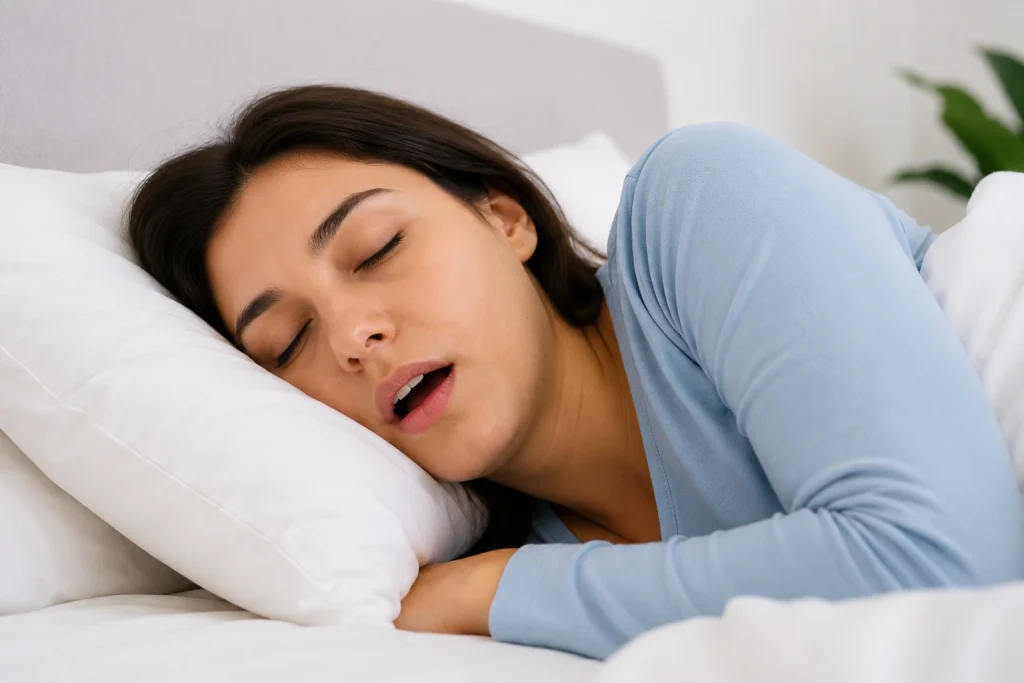
Mouth breathing occurs when a person breathes through their mouth instead of their nose during sleep. This often happens when nasal airflow is restricted due to conditions such as allergies, nasal congestion, a deviated septum, snoring, or obstructive sleep apnea. Understanding the underlying causes of mouth breathing at night can help identify the most effective treatment approach. Common symptoms include dry mouth, bad breath, sore throat, and waking up feeling tired or unrefreshed despite a full night’s sleep.
7 Ways: How to Stop Mouth Breathing While Sleeping
1. Clear your nose before bed
If your nose gets clogged, the body naturally switches to mouth breathing during sleep because nasal airflow is restricted. That’s why reducing congestion before bedtime should be the first step. Saline rinses, healthcare provider-recommended nasal sprays, allergy management, and maintaining a clean bedroom environment can help improve nasal airflow and make it easier to breathe through your nose while sleeping.
Since mouth breathing is often a symptom rather than the root cause, addressing nasal blockage is essential. No matter how many nasal breathing exercises you practice or pillows you try, lasting improvement is unlikely until the underlying blockage is treated. Improving nasal airflow can significantly improve sleep quality and reduce nighttime mouth breathing for many people.
2. Sleep on your side
For people who snore or experience mild airway collapse during sleep, sleeping on the back can increase the likelihood of mouth breathing because the jaw may naturally fall open. Sleeping on your side helps keep the airway more stable and may reduce mouth opening throughout the night. This is one of the simplest and most effective changes many people can try.
While side sleeping is not a complete solution on its own, it can provide meaningful relief when combined with good nasal care and other healthy sleep habits. Using a supportive pillow or positioning aid may also help you stay on your side throughout the night and prevent rolling onto your back.
3. Raise your head slightly
Slightly elevating your head may help improve airflow and reduce mouth breathing during sleep. It does not require a steep incline; even a small elevation can make breathing more comfortable by reducing pressure on the airway.
Head elevation is often most effective when combined with other strategies, such as managing nasal congestion and maintaining good sleep habits. While it may not completely solve the problem on its own, it can be especially helpful for people who snore, wake up with a dry mouth, or frequently feel congested during the night.
4. Practice How to Breathe Through Your Nose While Sleeping
Practicing nasal breathing while awake can help reinforce healthier breathing habits that may carry over into sleep. Simple techniques such as slow nasal breathing exercises, posture awareness, and myofunctional therapy exercises can help train the body to rely more on nasal breathing over time. As nasal breathing becomes more natural during the day, it may also become easier while sleeping.
For some people, mouth breathing is primarily a habit rather than a physical obstruction. In these cases, breathing exercises can be beneficial. However, they are not a substitute for treating conditions such as nasal congestion, airway obstruction, or sleep apnea. Think of these exercises as long-term training rather than a quick fix.
5. Address dryness and mouth opening
Dry air can irritate the mouth and throat, which may contribute to mouth breathing during sleep. For some people, a bedroom humidifier can help soothe dryness and make nasal breathing more comfortable. While this is not a complete solution, it may reduce irritation and improve overall sleep comfort.
A chin strap may help some CPAP users or people whose mouths open during sleep. However, it should not be used as a first-line solution because it does not address the underlying cause, such as nasal congestion, airway obstruction, or sleep apnea. Identifying and treating the root cause is usually the most effective long-term approach.
6. Review CPAP fit if you use one
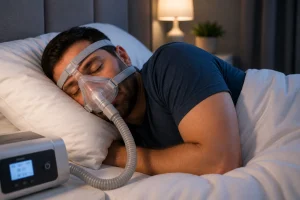
If you use CPAP therapy, mouth breathing during sleep can reduce treatment effectiveness and may lead to dry mouth, air leaks, disrupted sleep, and discomfort. In many cases, the issue is not the CPAP machine itself but rather the mask fit, mask style, or pressure settings. A properly fitted mask can help reduce leaks and improve overall therapy effectiveness.
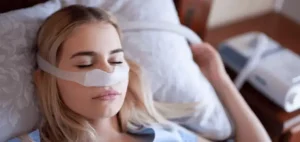
Some people achieve better results with a full-face mask, while others prefer a nasal mask combined with appropriate support strategies. The best option depends on individual comfort, breathing patterns, and whether mouth opening is caused by mask leaks, nasal congestion, or airway issues. If you use CPAP therapy, ensuring the correct mask fit and settings is essential for effective treatment and comfortable breathing throughout the night.
7. Get checked for the root cause
If mouth breathing occurs frequently, it is important to rule out underlying causes such as sleep apnea, chronic allergies, nasal obstruction, enlarged tonsils, or other structural airway issues. The mouth breathing sleep apnea connection is particularly important because symptoms such as loud snoring, gasping during sleep, daytime fatigue, dry mouth upon waking, and feeling unrefreshed after sleep may indicate a more serious sleep-related breathing disorder. In these cases, home remedies alone may not fully resolve the problem.
A medical evaluation can help determine whether the issue is temporary, such as seasonal allergies, or a chronic condition like obstructive sleep apnea. Identifying the root cause is essential because effective treatment depends on the underlying condition rather than just the symptom. If basic lifestyle changes do not improve the problem, a more detailed airway assessment may be necessary.
Common Mistakes When Trying to Stop Mouth Breathing While Sleeping
One common mistake is focusing only on mouth tape or chin straps without fixing congestion or airway problems first. Another is assuming mouth breathing is harmless when it may be a sign of sleep apnea or another sleep-disordered breathing issue.
People also overuse broad “quick fixes” and ignore the basics: side sleeping, nasal care, hydration, and checking mask fit if they already use CPAP.
FAQ's
Is mouth breathing at night bad?
Yes, chronic mouth breathing at night can be a problem because it may cause dry mouth, worse sleep quality, and more snoring or airway issues. It is especially worth addressing if it happens often or comes with gasping, snoring, or daytime fatigue.
What causes mouth breathing while sleeping?
Mouth breathing while sleeping is usually caused by blocked nasal passages, allergies, sleep position, or a sleep-breathing disorder such as obstructive sleep apnea. If you are trying to understand how to stop mouth breathing while sleeping, this is the first thing to identify. In some people, the cause is structural, meaning the nose or airway makes nasal breathing harder than normal.
Can sleeping on your side help?
Yes, side sleeping can help reduce mouth opening in many people because it may keep the jaw and airway in a better position. NHS sleep guidance also recommends side sleeping as a practical habit that may improve sleep-disordered breathing symptoms.
Does a humidifier help?
Yes, a humidifier can help if dry air is making your mouth and throat feel more irritated during sleep. It does not fix congestion or sleep apnea by itself, but it may make nasal breathing more comfortable and reduce dryness-related mouth opening.
Should I tape my mouth shut?
No, mouth taping should not be treated as a first-line solution, especially if you have congestion, snoring, or sleep apnea symptoms. Sleep literature warns that it can cause discomfort or breathing problems, and the safer approach is to address the underlying cause first.
Can CPAP stop mouth breathing?
Yes, CPAP can help some people reduce mouth breathing by stabilizing the airway and improving sleep breathing, but mask fit matters a lot. If the mouth leaks air during therapy, you may need a different mask style, a chin support approach, or clinician guidance.
When should I see a doctor?
You should see a doctor if mouth breathing is frequent, if you snore loudly, wake up gasping, feel tired during the day, or suspect nasal blockage or sleep apnea. These symptoms suggest the issue may be more than a habit and should be medically evaluated.
Can allergies cause mouth breathing at night?
Yes, allergies can block the nose and push you into mouth breathing during sleep. Treating allergies, reducing bedroom irritants, and using medically appropriate nasal care can make a meaningful difference for many people.
How do I breathe through my nose while sleeping?
To breathe through your nose while sleeping, address nasal congestion, sleep on your side, practice nasal breathing exercises during the day, and treat any underlying sleep apnea or airway issues.
Bottom line
The most effective way to stop mouth breathing while sleeping is to identify and address the underlying cause first. Once the root issue is managed, improving nasal breathing, optimizing sleep position, and ensuring proper CPAP fit can help support healthier breathing during sleep. This approach is generally more effective than relying on temporary fixes alone.
Resources & Further Reading
Here are solid sources to cite at the end of the article:
Medical Disclaimer: This article is for educational purposes only and is not a substitute for professional medical advice, diagnosis, or treatment. Always consult a qualified healthcare provider before starting or changing treatment for mouth breathing, snoring, CPAP use, or sleep apnea. Seek prompt medical attention if you experience choking, gasping, severe daytime sleepiness, or trouble breathing during sleep.