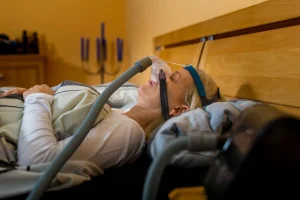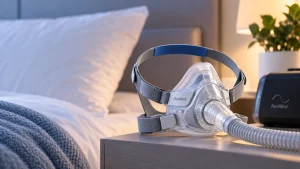
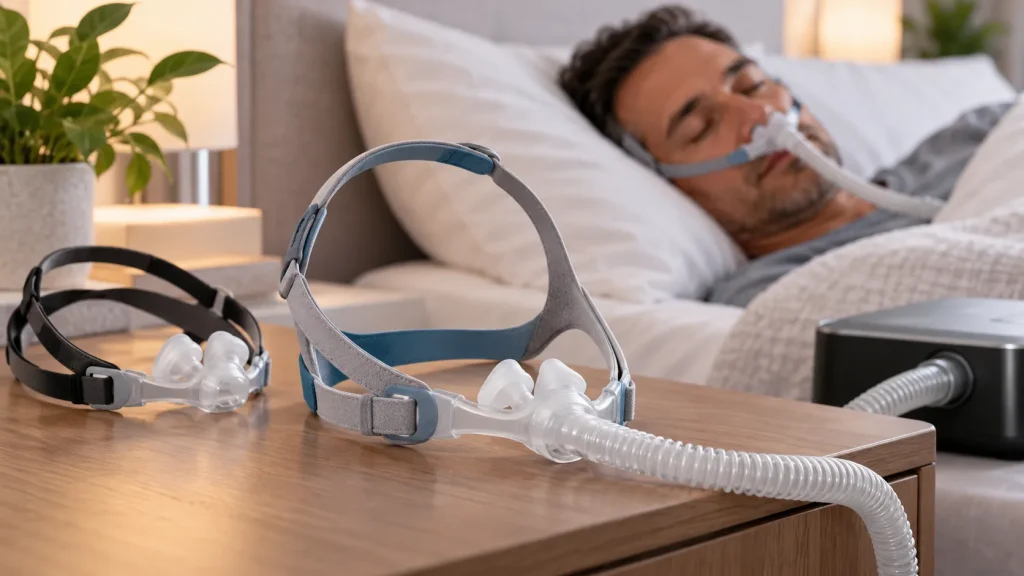
Finding the best nasal pillow CPAP mask comes down to more than choosing the smallest design. A good mask should feel comfortable around your nostrils, stay securely positioned while you sleep, and work with your prescribed CPAP therapy. For 2026, the ResMed AirFit P10 and P30i, Fisher & Paykel Brevida, Nova Micro, and Solo are worth comparing for their different fitting features and comfort-focused designs.
Quick Answer: Top Nasal Pillow Mask 2026 Picks
If you want a quick starting point, these are our recommended options based on mask features, design, and intended use.
-
- Best overall: ResMed AirFit P10 — $105
-
- Most affordable starting price: F&P Solo Nasal Pillows Mask — From $59
-
- Best for side sleepers: ResMed AirFit P30i — $115
-
- Best soft-seal design: Fisher & Paykel Brevida — $89
-
- Best lightweight option: Fisher & Paykel Nova Micro — $99
-
- Best smaller-fit option: ResMed AirFit P10 for Her — Approximately $105
Prices reflect listed product options and can change according to configuration or availability. Check current product details before placing an order.
Best Nasal Pillow CPAP Masks: At-a-Glance Comparison
| CPAP Mask | Best For | Tubing Position | Standout Feature |
|---|---|---|---|
| ResMed AirFit P10 | Simple everyday use | Front | Compact design with fewer components |
| F&P Solo Nasal Pillows | Value-focused shoppers | Front | AutoFit headgear |
| ResMed AirFit P30i | Side sleepers | Top of head | Overhead hose connection |
| F&P Brevida | Users seeking a softer seal | Front | Inflatable AirPillow cushion |
| F&P Nova Micro | Reduced facial coverage | Front | Compact MicroPillows design |
| AirFit P10 for Her | Smaller sizing requirements | Front | Extra-small pillow option |
The right choice depends on how each mask fits your nose, your preferred sleeping position, and the equipment you’re using.
Explore Our Recommended Nasal Pillow Masks
Compare two popular designs and find the right fit for your sleep routine.
Best Overall
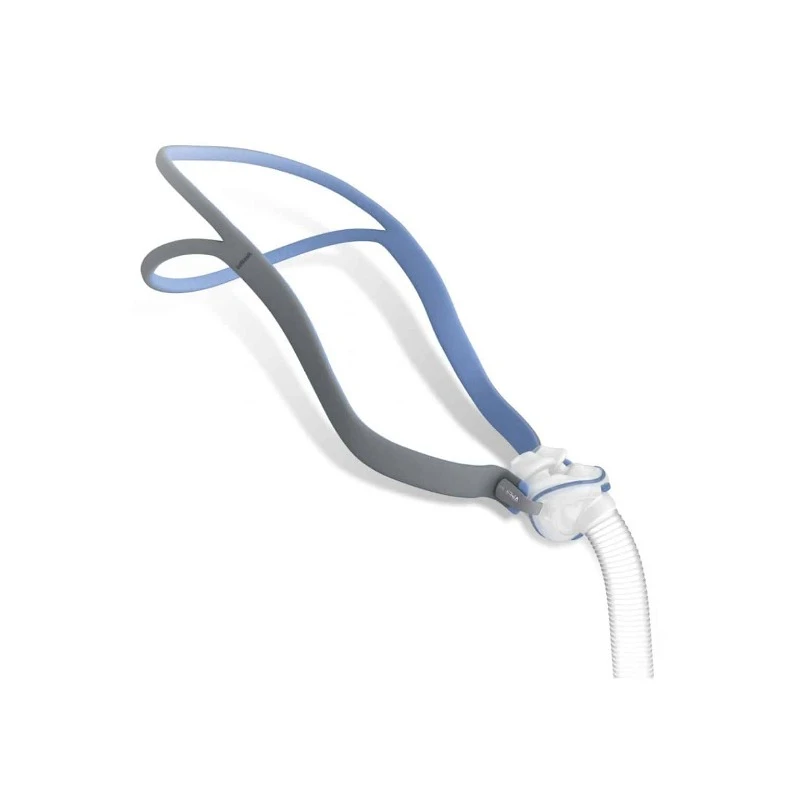
ResMed AirFit P10
Lightweight nasal pillow mask with minimal facial contact, flexible tubing, and simple headgear.
$105
Best for Side Sleepers
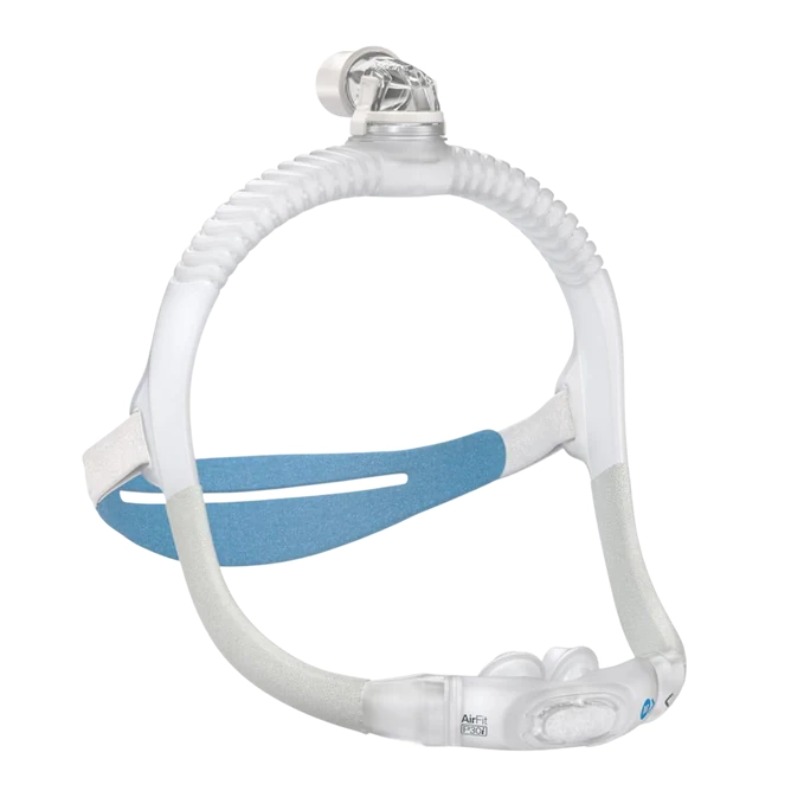
ResMed AirFit P30i
Flexible nasal pillow mask with a top-of-head hose connection for easier movement during sleep.
$115
Prices and availability may change. Check product pages for current options and complete-mask requirements.
Who a Nasal Pillow Mask Actually Works For
Nasal pillow masks deliver CPAP airflow through small silicone cushions positioned at the nostril openings. Unlike masks that cover the entire nose or both the mouth and nose, they leave much of the face uncovered. This makes them appealing to people who dislike larger mask frames or want fewer components resting against their skin.
Side sleepers may appreciate the reduced amount of material touching their pillows, although a stable seal still depends on the cushion and headgear fit. People who wear glasses before going to sleep may also prefer nasal pillows because the bridge of the nose remains uncovered. For someone who feels restricted by a traditional full face mask, a smaller interface may make bedtime therapy feel less intrusive.
Nasal pillows can also be convenient for travel because their components generally occupy less luggage space than bulkier mask systems. However, a lightweight mask is not automatically compatible with every travel CPAP machine. For example, AirMini users must select an approved mask configuration and connecting equipment.
Comfort is personal, and a mask that works beautifully for one user may not suit someone with frequent congestion, significant mouth leakage, or sensitive nostrils.
How We Compared These Masks
Our comparison focuses on published product specifications and features rather than laboratory testing or independently collected patient outcomes.
We reviewed cushion construction, hose connection placement, headgear adjustment, available sizes, facial coverage, and listed pricing. We also considered how those design differences may matter to CPAP users who sleep on their sides, prefer less facial contact, or have difficulty keeping a consistent seal.
The rankings are editorial recommendations based on those considerations. They should not be interpreted as clinical performance rankings, verified noise measurements, or evidence that every product was personally tested.
Nasal Pillow Mask Reviews: Ranked and Compared
Each mask below offers a different combination of fit, adjustment, and comfort features. Rather than assuming one design suits everyone, consider the benefit and potential limitation of each option.
Best Overall: ResMed AirFit P10
Price: $105
The ResMed AirFit P10 takes a straightforward approach to nasal pillow therapy. Its design combines silicone nasal pillows, flexible front tubing, and lightweight headgear without adding unnecessary material across the cheeks or forehead.
One of its main advantages is the relatively simple assembly. Users who prefer equipment with fewer parts may appreciate a mask that is easy to handle during regular cleaning and cushion replacement. The standard complete-mask package provides small, medium, and large pillow options.
The P10 connects its hose at the front, rather than above the head. Its QuietAir venting system is designed to diffuse outgoing airflow, while the flexible short tube allows some movement without a large rigid frame.
You can compare the technical differences between the P10 and other ResMed pillow masks using the official ResMed nasal pillows comparison guide.
Fit remains the most important consideration. The pillows need to rest comfortably at the nostrils without excessive pressure or movement. If the size is unsuitable, even a lightweight mask may produce leaks or irritation.
Travelers should also distinguish the standard AirFit P10 from the dedicated AirFit P10 for AirMini setup. The regular version should not be assumed to connect directly to an AirMini device.
If you’re considering this model, review the sizes and available packages on the ResMed AirFit P10 product page.
Most Affordable: Solo Nasal Pillows Mask
Starting Price: $59
The Fisher & Paykel Solo offers an alternative to traditional headgear adjustment. It combines a nasal pillow cushion with AutoFit headgear and AutoLock technology, allowing users to adjust the fit without working through several conventional straps.
This approach may appeal to people who want a straightforward setup or find frequent headgear adjustments inconvenient. Its cushion options also make it possible to select a size suited to the nose rather than relying on a universal fit.
For shoppers comparing costs, Solo has the lowest listed starting price among the options featured here. However, the advertised starting price should be checked against the contents of the selected package. A replacement component and a complete mask system are not necessarily priced the same.
The key buying consideration is whether its adjustment method feels comfortable and secure. Some users may prefer the AutoFit approach, while others may feel more confident with conventional adjustable headgear.
Best Nasal Pillow Mask for Side Sleepers: ResMed AirFit P30i
Price: $115
The ResMed AirFit P30i is worth considering if you frequently turn onto your side or change positions throughout the night. Instead of placing the hose connection directly in front of the nose, this mask routes it through a connection at the top of the head.
That arrangement can help keep tubing away from the front of the face and reduce the need to reposition the hose when moving in bed. The mask also incorporates a flexible frame and removable elbow to accommodate movement.
Its nasal pillow interface leaves the area around the eyes open, which may appeal to people who read or watch television before falling asleep.
The P30i provides multiple fitting options, but an overhead hose connection alone does not guarantee that the mask will stay sealed. A side sleeper should still check how the cushion and frame behave when their face rests against the pillow.
For someone who finds front-mounted hoses inconvenient, the P30i offers a different routing design that may better match their sleeping habits.
Best Soft-Seal Design: Fisher & Paykel Brevida
Price: $89
The Fisher & Paykel Brevida uses an AirPillow cushion designed to expand gently with CPAP airflow and form a seal in and around the nostrils. This creates a different fitting sensation from traditional nasal pillows that rely mainly on direct contact at the nostril openings.
Its construction includes a compact frame, adjustable headgear, and a washable diffuser. These features are intended to support everyday fitting, maintenance, and comfortable airflow management.
Fisher & Paykel explains the cushion and diffuser design in its official Brevida product information.
Brevida may be worth exploring if the cushion shape of another nasal pillow mask doesn’t feel right. Some users prefer a softer sensation around the nostrils, while others favor a smaller or firmer interface.
The important trade-off is that a gentle cushion still needs proper positioning. If the headgear is too loose or too tight, comfort and seal performance can suffer regardless of the design.
Best Lightweight, Minimal-Contact Option: Fisher & Paykel Nova Micro
Price: $99
The Fisher & Paykel Nova Micro emphasizes compact construction and limited facial coverage. Its soft MicroPillows interface is designed to sit at the nose while keeping the surrounding mask structure relatively small.
The frame and headgear allow the mask to be positioned without the larger components found on many traditional CPAP interfaces. Adjustable headgear also gives users control over the tension on either side.
This combination may appeal to people who prefer less equipment touching their face or want to avoid a cushion resting across the bridge of the nose.
Nova Micro is not automatically the quietest mask in this comparison. Noise can vary with airflow settings, mask positioning, and leakage, so a meaningful noise ranking would require consistent testing across the products.
The deciding factor should be whether its particular cushion shape and adjustment method create a comfortable, stable fit for you.
Best Smaller-Fit Option: ResMed AirFit P10 for Her
Price: Approximately $105
The AirFit P10 for Her is part of the same mask family as the standard P10, with a different selection of included nasal pillow sizes.
Its package is designed around extra-small, small, and medium pillows, compared with the small, medium, and large options normally supplied with the standard version.
This can make it useful for shoppers who need an extra-small cushion or have struggled to find a comfortable fit in larger pillow selections.
The mask retains the familiar P10 characteristics, including front-connected flexible tubing and lightweight headgear.
Although the product name includes “for Her,” the most useful selection criteria are nose size, cushion comfort, and overall fit rather than gender alone.
Nasal Pillow Masks Aren’t Right for Everyone
Even a well-designed nasal pillow mask can be unsuitable if it doesn’t work with your normal breathing pattern.
Because this interface directs air through the nose, frequent mouth opening during sleep may allow therapeutic air to escape. Some people experience only occasional mouth leakage and can continue using nasal pillows with appropriate fitting or clinician-recommended support. Others may need a mask covering both the nose and mouth.
If you’re unsure which mask style is more appropriate, our full face vs nasal vs nasal pillow CPAP mask comparison explains the practical differences between these interfaces.
Higher prescribed pressures can also influence comfort. Some people use nasal pillows successfully at higher settings, while others notice dryness, increased airflow sensation, or irritation. Nasal congestion and other breathing difficulties may further affect how comfortable the mask feels.
The Sleep Foundation guide to CPAP mask types provides additional guidance on how breathing habits, sleep position, and mask coverage influence mask selection.
There is no single pressure number or sleeping position that automatically makes every nasal pillow mask appropriate or inappropriate. If you experience ongoing leaks, breathing discomfort, or persistent irritation, speak with your sleep specialist rather than adjusting prescribed pressure settings yourself.
The Solo model offers a comparatively low listed starting price for shoppers exploring this category. Eligible complete masks may also qualify for cpapRX’s 60-Night Mask Fit Guarantee, according to the applicable policy conditions.
How to Get the Right Size
Choosing the correct nasal pillow size is important because the seal depends on the relationship between the cushion and the nostril openings.
A cushion that doesn’t fit properly may move, leak, or put pressure on sensitive nasal tissue. Choosing the right size and adjusting the headgear gently can make a substantial difference in comfort.
A few practical steps can help:
-
- Use the manufacturer’s sizing guidance. Compare the available cushion sizes and follow the instructions intended for your exact mask model. Sizing systems can vary between brands.
-
- Don’t rely on your previous mask size. A medium cushion from a traditional nasal mask doesn’t necessarily correspond to a medium nasal pillow cushion. Evaluate each design individually.
-
- Adjust the seal before tightening further. If air escapes, check whether the pillows are centered correctly. Excessive headgear tension may distort the cushion or increase discomfort.
-
- Pay attention to persistent irritation. A new mask may initially feel unfamiliar, but recurring pain, skin damage, or severe leaks warrant a reassessment of the size or interface.
If reasonable adjustments don’t improve the fit, contact your equipment provider or sleep specialist. Switching to another cushion size or mask style may be more effective than repeatedly tightening the same mask.