Table of Contents
Quick Answer: How Much Does a CPAP Machine Cost?
If you are searching for how much does a CPAP machine cost, a new CPAP or APAP machine in the U.S. often falls around $500–$1,600, with many standard and auto-adjusting models around $500–$1,000. Premium and bilevel devices can cost more. Your actual out-of-pocket price depends on the machine type, prescription, supplier, insurance benefits, deductible, and the supplies included with the purchase.
The machine is only part of the budget. A first-year CPAP setup may also include a mask, tubing, filters, a humidifier chamber, replacement cushions, shipping, and other supplies. Compare the complete setup rather than the machine price alone.
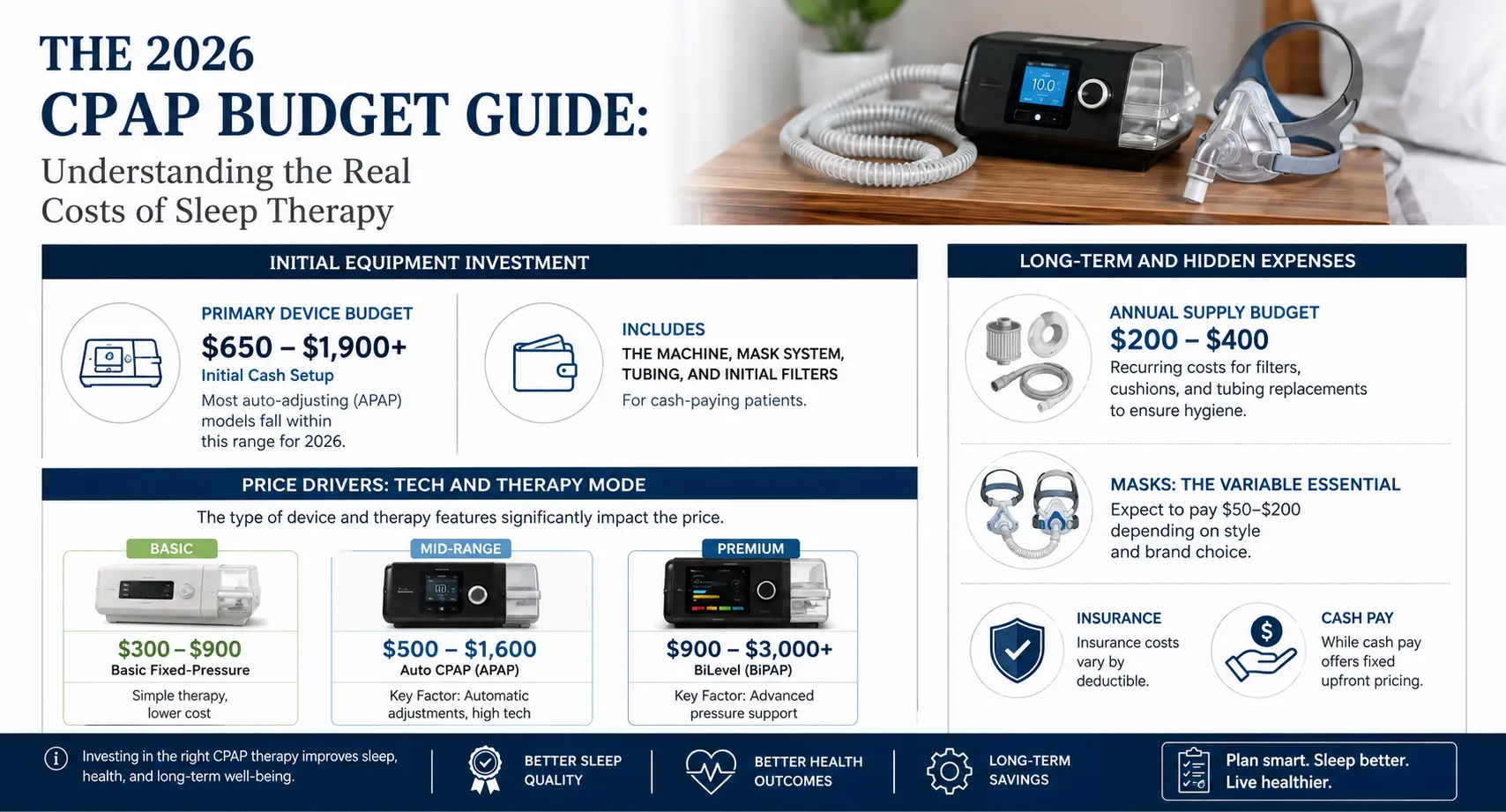
Equipment | Typical 2026 U.S. price range* | Main price factors |
Basic fixed-pressure CPAP | $300–$900 | Therapy mode, brand, features, bundle |
Auto CPAP / APAP | $500–$1,600 | Algorithm, comfort features, connectivity |
Travel CPAP | $600–$1,000 | Size, portability, accessories |
BiPAP / bilevel | $900–$3,000+ | Advanced pressure support |
Certified refurbished | $200–$900 | Condition, usage, warranty |
Mask + headgear | $100–$300 | Style, brand, components |
Replacement supplies | $200–$400+/year | Replacement frequency |
Planning ranges based on current 2026 market examples; individual prices vary by model, seller, promotions, configuration, and availability. CPAPRx live prices should be checked before publication.
Wake Up Refreshed. Live Fully.
Stop letting sleep apnea steal your energy. Choose the CPAP machine that fits your life, your budget, and your therapy needs — and feel the difference from night one.
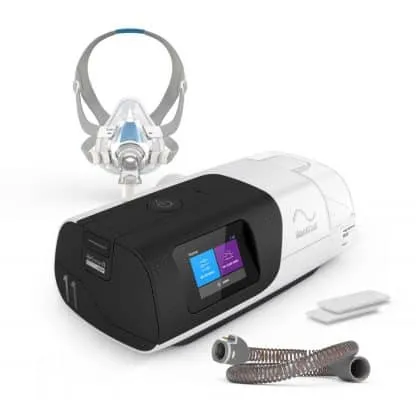
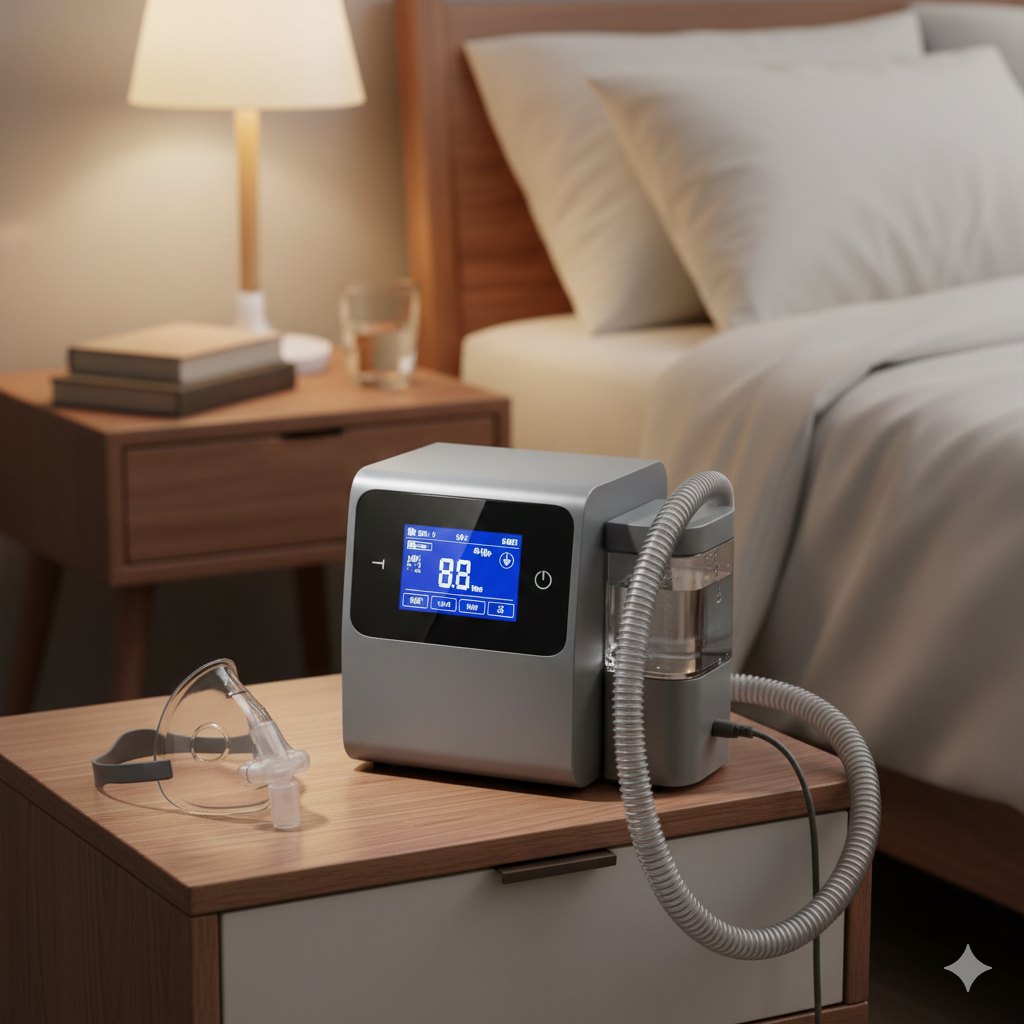
Need Help Comparing CPAP Models?
If price is only one part of the decision, compare popular machines by features, use case, and overall value before buying.
Read: Best CPAP Machines in 2026
What Determines the CPAP Machine Price?
The biggest price differences come from therapy type, technology, comfort features, brand, model generation, and whether the listing includes a complete setup.
1. Machine Type
Fixed-pressure CPAP machines deliver therapy at one prescribed pressure and are often the simpler, lower-cost option when fixed pressure is appropriate.
Auto CPAP, also called APAP, automatically adjusts pressure within a prescribed range as breathing changes during sleep. Added technology can increase the price.
BiPAP or bilevel machines use separate pressure levels for inhalation and exhalation. They are used for specific therapy needs and should be selected with guidance from a qualified healthcare professional.
2. Comfort and Connectivity Features
- Integrated heated humidification
- Heated tubing
- Automatic pressure adjustment
- Wireless therapy-data transmission
- Smartphone connectivity
- Advanced therapy reports
- Quieter motor design
- Ramp and pressure-relief settings
- Travel-friendly size and battery compatibility
- Warranty and customer support
Not every feature is essential for every user. Paying more only makes sense when a feature solves a real comfort, therapy, monitoring, or lifestyle need.
3. Brand and Model Generation
Established brands may cost more because of algorithms, support, software, warranty, and replacement-part availability. An older model can still offer good value when the manufacturer supports it and replacement parts remain easy to find.
4. Machine-Only vs. Bundle Pricing
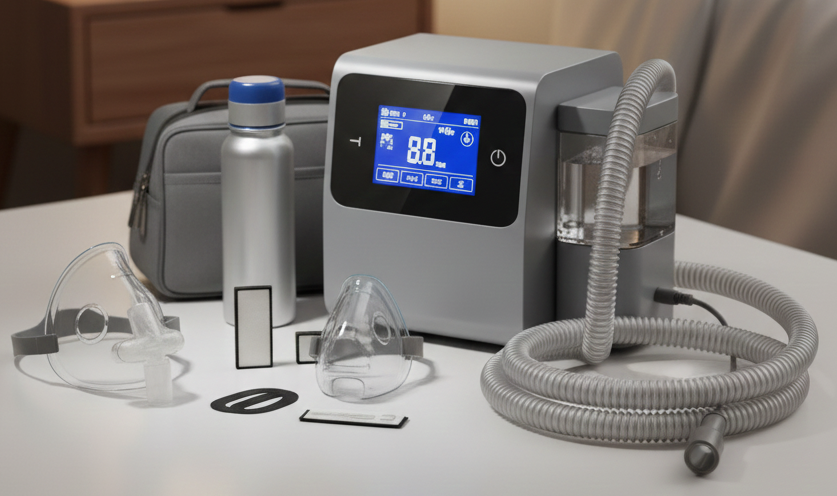
A machine-only listing may not include a mask. A bundle may include the device, humidifier or water chamber, tubing, mask, headgear, filters, travel case, or power supply. Compare the complete package before deciding which price is actually lower.
How Much Does a CPAP Machine Cost Without Insurance?
Many standard CPAP machines typically cost about $500–$1,000, while APAP machines commonly cost about $600–$1,600. The wider market includes lower-cost and premium devices, so actual prices vary by model, features, seller, and included accessories.
Paying out of pocket may make sense when your deductible is high, a specific model is not covered, you want a travel device, your plan requires rental, or a legitimate cash price is lower than your estimated insurance responsibility.
Example Cash-Pay Budget
Item | Possible cost |
APAP machine | $500–$1,600 |
Mask system | $100–$300 |
Tubing and filters | $30–$100 |
Humidifier chamber, if separate | $30–$80 |
Initial replacement supplies | $50–$150 |
Shipping or other fees | Varies |
Estimated initial total | $650–$1,900+ |
This is a planning range, not a quote. Sales, supported older models, or certified refurbished equipment can reduce the initial price; premium technology, BiPAP, multiple masks, or specialty travel equipment can increase it.
What Do CPAP Machines Cost at CPAPRx?
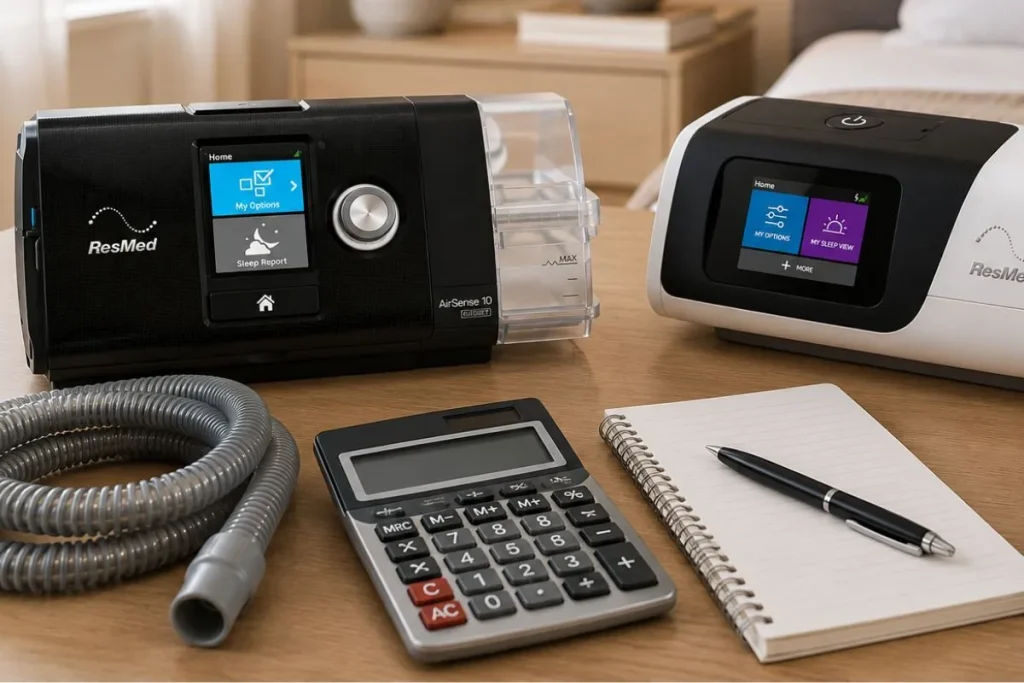
Current CPAPRx listings show how much prices can vary by model and configuration. Current examples include the ResMed AirSense 11 AutoSet device at $1,004, the ResMed AirMini AutoSet at $919, and the Resvent iBreeze APAP at $799. AirSense 11 configurations with a mask are currently listed at about $1,148–$1,198. Prices, stock, promotions, and bundle contents can change, so check the live product page before publishing.
Compare current CPAP machines and prices
What Are the Hidden Costs of a CPAP Machine?
The biggest budgeting mistake is looking only at the machine. A complete CPAP setup can include a mask, tubing, filters, humidifier components, cushions, headgear, shipping, and future replacement supplies.
CPAP Masks
A mask may cost around $50–$200 or more depending on style and brand. Nasal masks, nasal pillows, and full-face masks fit different needs. Fit and comfort matter more than choosing the most expensive mask.
Filters
Filters are inexpensive individually but create a recurring cost. Replace filters according to the manufacturer’s instructions and filter type. Do not wash a disposable filter unless the manufacturer specifically says it is washable.
Tubing and Humidifier Components
Standard tubing is generally less expensive than heated tubing. Humidifier chambers may need replacement when damaged, cloudy, or difficult to clean. Follow the manufacturer’s cleaning and replacement instructions.
Replacement Supplies
A practical annual planning range for replacement supplies is about $200–$400 or more, depending on what you replace, how often you replace it, and whether insurance covers the supplies.
How Much Does a CPAP Machine Cost With Insurance?
There is no single CPAP cost with insurance because every plan has different deductible, copay, coinsurance, rental, supplier, and coverage rules. Your out-of-pocket amount can be much lower than the cash price, but a high deductible or non-covered upgrade can also leave you paying more than expected.
Before ordering, ask your insurer:
- Is PAP therapy covered under durable medical equipment benefits?
- Does the plan cover fixed CPAP, APAP, travel devices, or BiPAP?
- Do I need prior authorization or a sleep study?
- Must I use an in-network supplier?
- Will the machine be rented or purchased?
- How much of the deductible remains?
- What is my copay or coinsurance?
- Are the mask, tubing, filters, and humidifier covered?
- How often can covered supplies be replaced?
- Is compliance monitoring required for continued coverage?
Ask for the insurer’s allowed amount and your estimated responsibility, not just the retail price. Keep written documentation of the estimate when possible.
How Much Does Medicare Pay for a CPAP Machine?
Medicare Part B may cover CPAP therapy for eligible beneficiaries with obstructive sleep apnea who meet Medicare’s coverage requirements. After the Part B deductible, Medicare states that the patient generally pays 20% of the Medicare-approved amount when the supplier accepts assignment. Medicare generally rents the device for 13 continuous months before ownership transfers, subject to applicable rules.
Medicare Advantage plans can have different networks, authorizations, and cost-sharing rules. Confirm details directly with the plan and supplier before accepting equipment.
Can You Use HSA or FSA Money for a CPAP Machine?
Prescribed sleep-therapy equipment may qualify as a medical expense for HSA or FSA purposes, but eligibility and documentation requirements can vary by plan. Confirm the specific expense with the account administrator before purchase.
Keep the prescription, receipt, and proof of payment. Also check whether accessories such as masks, filters, tubing, batteries, or cleaning products qualify under your plan.
What Are the Best CPAP Machine Financing Options?
Financing can spread a large purchase across monthly payments, but the monthly payment is not the most important number. Compare the total amount you will repay.
- Retailer payment plans
- Promotional 0% APR offers
- Medical credit cards
- Insurance rental arrangements
- HSA/FSA reimbursement
- Manufacturer promotions
- Employer health benefits
- Nonprofit or local assistance programs
Before choosing financing, compare the cash price, down payment, number of payments, APR, promotional deadline, fees, deferred-interest terms, early-repayment rules, included accessories, and return policy.
CPAPRx currently displays 0% APR financing availability on selected equipment. Eligibility, approval, terms, and repayment conditions vary, so review the offer shown at checkout before ordering.
How to Choose a CPAP Machine Based on Your Budget
Price should be considered alongside your prescription, comfort needs, travel habits, expected duration of use, warranty, and replacement-supply availability.
If You Are Newly Diagnosed
- Start with the therapy mode prescribed by your clinician.
- Prioritize a comfortable, correctly fitted mask.
- Look for reliable therapy-data reporting.
- Check warranty and return terms.
- Make sure replacement supplies are easy to obtain.
- Do not pay extra for advanced features unless they solve a real need.
If You Travel Frequently
A travel CPAP can be smaller and easier to pack, but travel models may use different humidification systems, mask compatibility, power supplies, or battery options. Compare the complete travel setup cost.
If You Have Complex Therapy Needs
If you have been prescribed BiPAP, adaptive servo-ventilation, or another advanced mode, do not substitute a cheaper machine simply because it costs less. Use the therapy mode prescribed by your healthcare professional.
Which CPAP Option Fits Your Budget?
If your priority is… | Start by comparing… |
Lowest reasonable upfront cost | Supported fixed-pressure or lower-cost APAP options |
Automatic pressure adjustment | APAP / Auto CPAP machines |
Frequent travel | Travel CPAP + total travel accessories |
Advanced pressure support | BiPAP / bilevel devices with professional guidance |
Lower upfront payment | Insurance coverage and financing options |
Lower long-term cost | Warranty, supplies, shipping, and replacement-part availability |
The cheapest option is only a good choice when it also matches your prescribed therapy and practical needs.
Still Not Sure Which Machine to Choose?
If price is only one part of the decision, compare popular CPAP machines by features, use case, and overall value before buying.
CPAP Machine Buying Checklist
- Confirm the prescribed therapy mode.
- Compare machine-only and bundle prices.
- Check whether a mask is included.
- Check included tubing, power supply, and humidification components.
- Review warranty and return terms.
- Check shipping charges.
- Ask your insurer about coverage and expected responsibility.
- Confirm HSA/FSA eligibility if applicable.
- Compare financing by total repayment, not monthly payment alone.
- Budget for replacement supplies.
- Buy from a reputable supplier with clear support and return terms.
Lorem ipsum dolor sit amet, consectetur adipiscing elit. Ut elit tellus, luctus nec ullamcorper mattis, pulvinar dapibus leo.
FAQ's
How Much Does a CPAP Machine Cost in 2026 Without Insurance?
A new CPAP machine typically costs about $500–$1,000, while APAP machines commonly cost $600–$1,600. Premium and bilevel devices can cost more. Prices vary by model, features, seller, and included accessories.
How Much Does a CPAP Machine Cost With Insurance?
Your out-of-pocket cost depends on your deductible, copay, coinsurance, rental rules, supplier network, and coverage. Ask your insurance provider for an estimated patient responsibility before ordering.
Does Medicare Cover CPAP Machines?
Medicare Part B may cover CPAP therapy for eligible beneficiaries who meet coverage requirements. After the Part B deductible, patients generally pay 20% of the Medicare-approved amount when the supplier accepts assignment.
Can I Use HSA or FSA Funds for a CPAP Machine?
CPAP equipment may qualify as a medical expense for HSA or FSA purposes, but plan requirements vary. Confirm eligibility with your account administrator and keep the required documentation.
Can I Finance a CPAP Machine?
Some sellers offer payment plans or promotional financing. Compare the APR, fees, payment period, total repayment amount, and financing terms before choosing an option.
What Is the Cheapest Type of CPAP Machine?
Fixed-pressure CPAP machines are often less expensive than APAP or BiPAP devices. However, choose a machine based on your prescribed therapy and needs rather than price alone.
How Much Do CPAP Masks and Replacement Supplies Cost?
CPAP masks can cost around $50–$200+, while filters, tubing, cushions, water chambers, and other supplies create additional recurring costs. Replacement expenses vary by product and replacement frequency.
Do I Need a Prescription to Buy a CPAP Machine?
In the U.S., a prescription is generally required to purchase a new CPAP, APAP, or BiPAP device. Follow your healthcare professional’s prescribed therapy and settings.
Ready to Compare CPAP Machines?
Once you know your therapy type, budget, insurance situation, and preferred features, compare machines that fit those requirements. Check the current product price, prescription requirements, included accessories, financing terms, and return policy before ordering.
CPAPRx’s current collection includes standard/Auto CPAP, travel, BiPAP/BiLevel, and machine-bundle options. Prices, stock, financing availability, and product terms can change, so review the individual product page before purchase.
Pricing note: The price ranges in this article are planning ranges, not guarantees. Current CPAPRx prices verified for this update include AirSense 11 $1,004, AirMini $919, and iBreeze APAP $799. Live prices and bundles should be rechecked before publication.
Sources & Further Reading
- Medicare — Continuous Positive Airway Pressure Devices
- IRS — Publication 502: Medical and Dental Expenses
- IRS — Publication 969: HSAs and Other Tax-Favored Health Plans
- org — CPAP Machine Cost Without Insurance
- Sleep Foundation — How Much Do CPAP Machines Cost?
- GoodRx — CPAP Machine: Overview, Types, and Cost
- CPAPRx — CPAP Machines
Medical Disclaimer: This content is for informational purposes only and is not a substitute for professional medical advice, diagnosis, or treatment. Always consult a qualified healthcare professional before starting or changing CPAP therapy. Prices, insurance coverage, and product availability may change