
Table of Contents
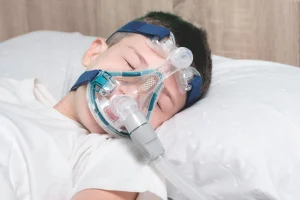
Quick answer: The best pediatric CPAP mask depends on your child’s age and face size. The ResMed Pixi fits toddlers and younger kids (ages 2–7). The ResMed Mirage Micro™ for Kids fits older children and teens (7+). Fit, safety features, and a gentle introduction matter just as much as the model you pick.
A pediatric CPAP mask helps a child with sleep apnea breathe easier and sleep better. For parents, finding the right fit can feel confusing, even emotional. That’s normal. This is where cpapRX helps — we carry top pediatric CPAP brands, and our board-certified sleep specialists build a plan around your child, not a generic size chart.
If your child snores, sleeps restlessly, or seems to stop breathing at night, the right mask can change everything. Below, you’ll find masks sorted by age, a quick comparison table, safety features to check, and simple steps to help your child accept the mask without a fight.
What Is Pediatric Sleep Apnea?
Pediatric obstructive sleep apnea happens when a child’s airway gets partly or fully blocked during sleep. It’s often caused by large tonsils or adenoids. Sometimes the shape of the jaw or airway plays a role too.
Kids don’t always look “sleepy” the way adults do. Watch for snoring, restless sleep, mouth breathing, bedwetting, or trouble focusing during the day. These are common signs, according to sleep health resources from the American Academy of Sleep Medicine and the National Heart, Lung, and Blood Institute.
A diagnosis usually starts with a sleep study. A sleep specialist watches your child’s breathing overnight and finds the right air pressure for their CPAP machine. This is also when mask size and style come up. One size does not fit every child — getting it right from day one makes a real difference in how well your child accepts therapy.
Pediatric CPAP Masks Compared: Quick Table
Here’s how the main pediatric mask options stack up, so you can compare at a glance before reading the details below.
| Mask | Best age | Type | Key feature | Good for |
|---|---|---|---|---|
| ResMed Pixi | 2–7 years | Nasal | Soft cushion, easy-adjust headgear | Toddlers, first-time users |
| ResMed Mirage Micro™ for Kids | 7+ years | Nasal | 24-position adjustable dial, FDA-cleared | Older kids, precise fit |
| Philips Wisp Pediatric | Varies by size | Nasal | Lightweight, minimal frame | Kids who dislike bulky masks |
| SleepWeaver Pediatric | Varies by size | Nasal, cloth | No hard plastic on the face | Very sensitive or anxious kids |
Use this table as your starting point, then read on for what actually makes each one different.
Which Mask Fits Which Age?
Ages 2–7: ResMed Pixi
The Pixi is built for small, still-developing faces. The cushion is soft and light, so it doesn’t press hard on delicate skin. The headgear is easy to adjust, even on a squirming toddler. A mask made for this age group seals better and feels gentler than an adult mask scaled down.
Ages 7 and Up: ResMed Mirage Micro™ for Kids
The Mirage Micro™ is FDA-cleared and made for small faces. It has a child-sized cushion and a dial with 24 fit positions, so you can adjust it precisely as your child grows. The low frame keeps their view open, which helps older kids feel less closed-in. Explore the Mirage Micro™ for Kids to see current pricing and availability.
Other Pediatric Masks Worth Knowing About
Two more options come up often for kids with sensitive skin or a strong dislike of bulky gear:
- Philips Wisp Pediatric is light and touches very little of the face. Many parents choose it for kids who feel overwhelmed by bigger masks.
- SleepWeaver Pediatric uses soft cloth instead of hard plastic. Nothing rigid touches the skin, which some anxious or sensitive kids accept more easily.
Every child’s face and personality are different. What works for one child may not work for another. Talk to your child’s sleep specialist before choosing based on photos alone.
Nasal or Full Face: Which Mask Does My Child Need?
Most kids do well with a nasal mask. It covers just the nose, so it’s lighter and less scary-looking than a full mask. It works best for children who breathe through their nose and don’t have much congestion.
A full face mask covers the nose and mouth. Doctors usually save this for kids who breathe through their mouth a lot, or who have frequent congestion that causes air to leak from a nasal mask. Your child’s specialist will usually try nasal first.
How Do I Get My Child Used to a CPAP Mask?
Going slow works far better than forcing it on night one. Try these steps, in order:
- Let your child hold and touch the mask during the day. Familiar objects feel less scary.
- Practice wearing it while watching TV or reading, with no air running yet.
- Turn on the airflow for short stretches while your child is awake, before trying it at bedtime.
- Praise small wins. A sticker chart or a small reward helps a lot.
- Let your child choose something — which mask, or a fun design if one’s available. A little control goes a long way.
- Expect this to take days or weeks, not one night. Patience beats speed here.
What Safety Features Should a Kids’ Mask Have?
Check for an emergency quick-release latch or an easy-disconnect clip. This lets you or your child remove the mask fast if something feels wrong, tangled, or scary in the middle of the night. The Pixi, for example, includes a built-in safety latch for exactly this reason.
This matters more for kids than adults. A child is far less likely to calmly fix a stuck mask at 2 a.m. A one-motion release turns a scary moment into a non-event. Don’t assume every pediatric mask has this — ask directly.
How Do I Stop the Tubing From Tangling at Night?
Kids move a lot more than adults during sleep. Regular tubing can drag, pull the mask loose, or twist up when your child rolls over. That means leaks, and a mask that slips out of place.
Look for lightweight, flexible tubing built to give a little (sometimes called spring-flex tubing). It reduces drag and helps the seal hold, even through a restless night. If your child tosses and turns a lot, ask specifically about this kind of tubing.
Why Fit and Comfort Matter So Much
Kids feel texture, pressure, and new sensations more sharply than adults do. A mask that doesn’t fit well causes leaks, discomfort, and pushback at bedtime. Getting the size right isn’t just about measurements — it’s about choosing something that feels gentle and safe. A comfortable mask helps your child link bedtime with calm, not stress.
Dealing with leaks or discomfort already? Our guide to common CPAP side effects and fixes covers troubleshooting steps that apply to kids’ and adult masks alike.
FAQ's
What age group are pediatric CPAP masks designed for?
Pediatric masks cover a wide range, from toddlers around age 2 (using masks like the ResMed Pixi) up to teens (using models like the Mirage Micro™ for Kids). Each one is built with smaller frames for a child’s bone structure and softer skin.
How can I help my child get used to wearing a CPAP mask?
Go slow. Let your child hold and explore the mask first, then wear it during calm daytime activities like TV time. Add air pressure gradually, and use small rewards to build positive associations before trying it overnight.
What safety features should I look for in a child's CPAP mask?
Look for an emergency quick-release latch or an easy-disconnect clip. This lets your child or you remove the mask instantly if it feels wrong or gets tangled at night. It’s one of the most important, and easiest to miss, features.
How do I know which pediatric mask size my child needs?
Measure your child’s face width and the bridge of their nose, then check it against the manufacturer’s size chart — sizing differs between brands. A pediatric sleep specialist can fit your child in person and save you the guesswork.
Is CPAP therapy safe for young children?
Yes, when it’s prescribed and supervised by a pediatric sleep specialist. Safety comes from the right diagnosis, the correct pressure setting, and regular follow-up — not from adjusting settings on your own.
How should I clean my child's CPAP mask?
Wash the cushion and headgear daily with mild soap and warm water. Rinse well and let it air dry. Replace cushions and filters on the schedule your manufacturer recommends to keep the seal working properly.
Should my child use a nasal mask or a full face mask?
Most kids do best with a nasal mask — it’s lighter and less intimidating. A full face mask usually only comes up if your child breathes through their mouth a lot or has frequent congestion that causes leaks with a nasal mask.
Final Words
Managing sleep apnea in a child feels like a lot at first. With the right mask for their age, some patience for the adjustment period, and support from a real sleep specialist, your child can finally get deep, restful sleep. At cpapRX, we’re with you from diagnosis through equipment delivery and beyond.
Explore our pediatric CPAP mask collection, book an at-home sleep test, or talk to one of our sleep specialists to get your child set up with confidence.
Medical Disclaimer: This article is for general education only and is not medical advice. A qualified pediatric sleep specialist should always diagnose sleep apnea and determine the right mask, pressure, and treatment plan for your child.