Table of Contents
A CPAP machine recall can raise serious concerns about your sleep apnea treatment, especially if you’re unsure whether your device is affected. As of November 2026, the CPAP recall list includes affected Philips Respironics devices from the 2021 foam recall and certain Luna G3 APAP machines affected by a separate 2026 firmware recall. Knowing which models are affected, how to check your device, and what to do next can help you make informed decisions without unnecessarily interrupting prescribed therapy.
The major Philips Respironics recall began in June 2021 after concerns that the sound-dampening PE-PUR foam inside certain CPAP, BiPAP, and ventilator devices could break down, potentially releasing particles and chemicals into the airflow. The recall affected specific devices, including certain DreamStation, DreamStation Go, System One, and Dorma models. According to Philips, 99% of actionable sleep therapy device registrations have been remediated globally, although some individual cases may still require follow-up.
In September 2026, the FDA published a separate recall involving certain Luna G3 APAP (LG3600) devices running firmware G3-2.00.76 with configuration G3 A20-31.cfg. This recall is unrelated to the original Philips foam issue. Patients should check their exact model and serial number against official recall information rather than assuming every device from a particular brand is affected.
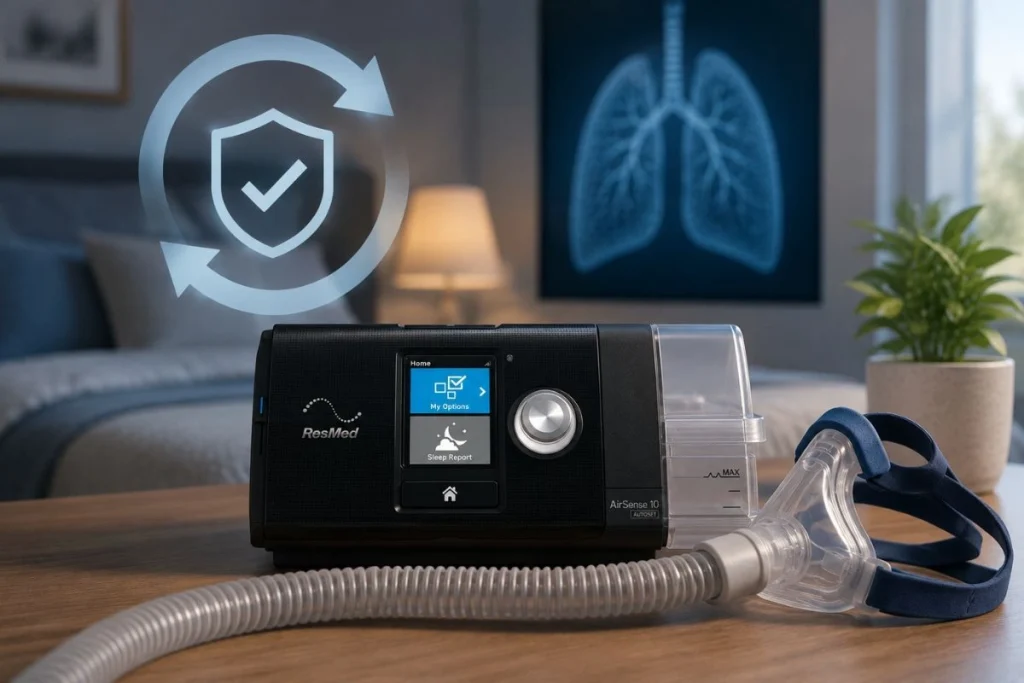
If your machine is recalled, contact your healthcare provider or equipment supplier before making changes to prescribed therapy. For patients considering replacement equipment, our DreamStation vs AirSense 10 comparison explains key differences between these machines.
You can also explore our CPAP machine buying guide to understand available machine types, features, and factors to consider before choosing a replacement.
Affected CPAP Devices: Check the Recall List
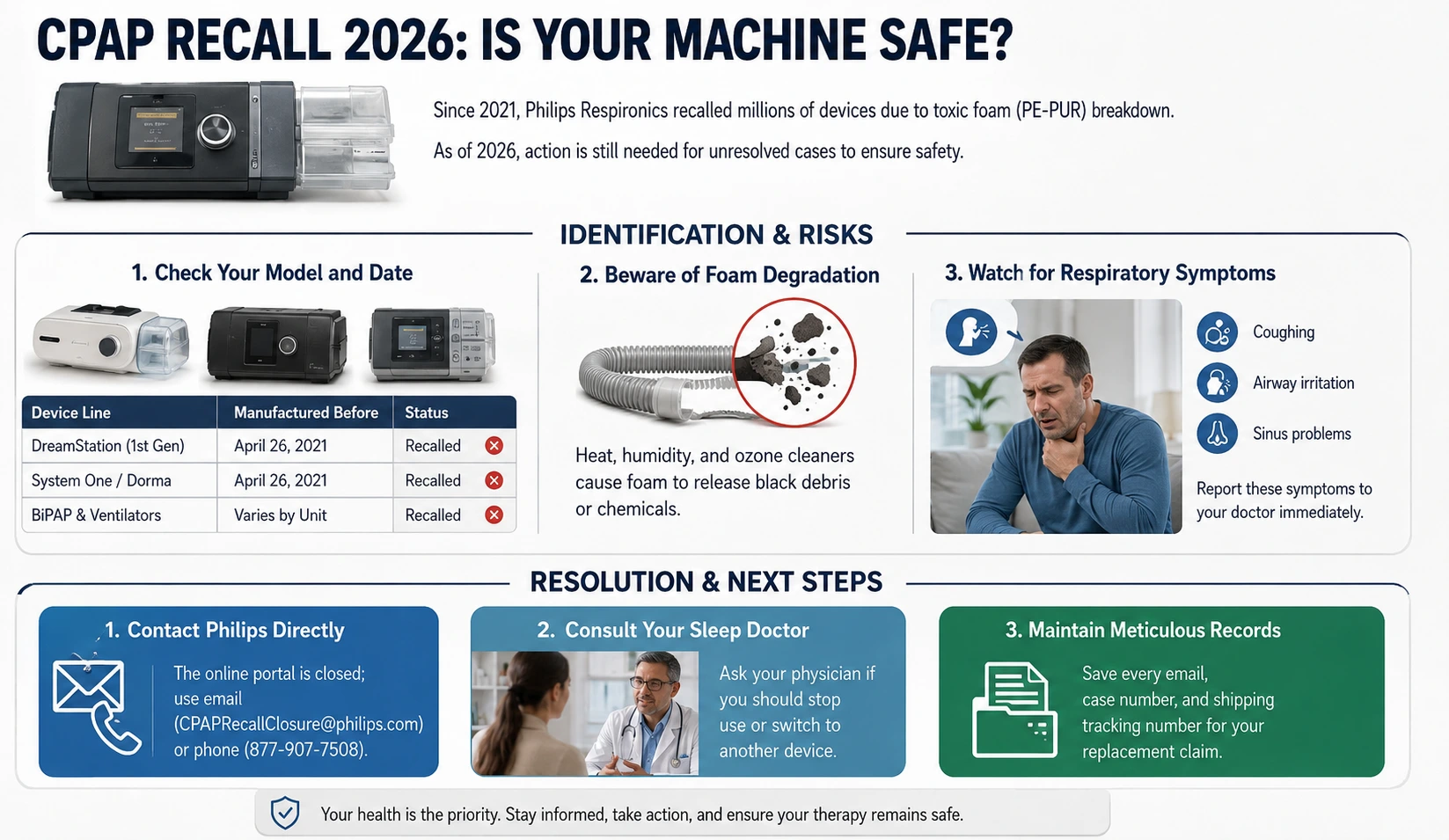
The Philips CPAP recall list includes specific devices manufactured before April 26, 2021. A separate 2026 recall also affects certain Luna G3 APAP machines.
| Device Line | Affected Criteria | Status |
|---|---|---|
| DreamStation (first-generation) | Before April 26, 2021 | Recalled |
| DreamStation Go | Before April 26, 2021 | Recalled |
| System One (Q-Series) | Before April 26, 2021 | Recalled |
| Dorma 400 and 500 | Before April 26, 2021 | Recalled |
| Certain BiPAP and ventilator models | Varies by model | Recalled |
| Luna G3 APAP (LG3600) | Specific firmware/configuration | Separate 2026 recall |
The Philips foam recall affected all serial numbers of specified models manufactured during the affected period. Check the FDA’s official recall list for details.
The 2026 Luna G3 recall concerns firmware G3-2.00.76 with configuration G3 A20-31.cfg. Owners can check their device using the official Luna G3 serial-number checker.
Is My CPAP Machine Recalled? How to Check
Wondering, “Is my CPAP machine recalled?” Check the model name, serial number, and manufacturing information printed on your device. Compare these details with the manufacturer’s official recall notice. Your DME provider or sleep doctor can help if you’re unsure whether your machine is affected.
Other CPAP and Mask Recalls You Should Know About
The Philips foam issue isn’t the only CPAP-related safety concern. Other important notices include:
ResMed magnetic mask recall: Certain masks with magnetic clips received updated warnings because magnets may interfere with implanted medical devices, including pacemakers. This was a mask labeling correction, not a blanket ResMed machine recall.
DreamStation 2 overheating warning: In 2023, the FDA warned about reports of overheating, smoke, and burns involving some DreamStation 2 machines. This was separate from the original foam recall.
If you received replacement equipment, check its model and any applicable safety notices.
CPAP Recall Symptoms
Potential CPAP recall symptoms associated with degraded Philips PE-PUR foam exposure include respiratory irritation, coughing, headaches, dizziness, and allergic or inflammatory reactions. The FDA has also identified more serious potential health risks.
However, these symptoms do not confirm that your machine caused an injury.
If you experience unusual or worsening symptoms, contact your healthcare provider and explain which device you use and how long you’ve used it.
CPAP Recall Replacement
The CPAP recall replacement process depends on your device and manufacturer. The latest Philips Respironics recall 2026 update confirms that 99% of actionable sleep therapy registrations have been remediated globally.
Philips closed registration for affected CPAP/BiPAP devices on December 31, 2024, and its U.S. patient portal on January 1, 2026. Patients with unresolved cases can contact Philips directly.
| Contact Method | Details |
|---|---|
| CPAPRecallClosure@philips.com | |
| Official Updates | Philips Recall Progress |
Keep records of your correspondence, case numbers, and shipment details. If you’re considering another machine, cpapRX can help you explore prescription and equipment options through an Rx & Consultation.
What to Do Next If Your CPAP Machine Is Recalled
Identify your device model and serial number.
Verify the recall through official manufacturer or FDA information.
Ask your doctor whether to continue treatment while arranging a replacement.
Contact your manufacturer or DME provider about available options.
Save your emails, case numbers, and replacement records.
Do not discontinue prescribed therapy without appropriate medical guidance. Follow any urgent device-specific safety instructions.
Get Help With Your CPAP Recall from cpapRX
Understanding recall information and choosing replacement equipment can be confusing. cpapRX can help you explore prescription services, available CPAP machines, and consultation options.
Book your Rx & Consultation or call 833-216-2727 to speak with the cpapRX team. Recall eligibility and manufacturer replacement decisions must be confirmed with the relevant manufacturer or authorized provider.
FAQ's
1. Is my CPAP machine part of the recall?
Check your machine’s model, serial number, and manufacturing details against the official FDA or manufacturer recall list. The Philips recall affects certain older devices, while a separate 2026 recall involves specific Luna G3 APAP machines. Your DME provider can help verify your device’s status.
2. I've been using a possibly recalled machine for months — should I worry?
Using a potentially recalled machine does not automatically mean you’ve experienced harm. However, some recalled devices have identified safety risks. Contact your healthcare provider, explain your device history, and discuss any symptoms or concerns before changing your treatment.
3. How does the CPAP machine recall replacement process work now?
The U.S. patient portal is closed, so replacement now generally runs through direct contact with Philips by phone or email, or through your DME provider. Keep all correspondence as proof of your claim.
4. My doctor mentioned the recall but didn't explain next steps. What should I ask?
Ask whether your specific machine is affected, whether you should continue using it, how to arrange a replacement, and whether your prescription or therapy settings need changes. Your healthcare provider can help you decide the safest next steps.
5. What if my machine isn't on the recall list but I still have symptoms?
Tell your healthcare provider about any new or worsening symptoms, even if your machine isn’t recalled. Coughing, headaches, or breathing difficulties can have several causes and require proper medical evaluation.
Conclusion
A CPAP machine recall can feel overwhelming, but checking your device’s recall status and understanding your options can make the process easier. Whether your machine is affected by the Philips Respironics recall or the 2026 Luna G3 recall, always verify official information and consult your healthcare provider before making treatment changes.
If you need help exploring replacement equipment or prescription options, cpapRX can guide you through available consultation services to support your ongoing sleep apnea therapy.