
Table of Contents
Quick answer: The benefits of sleep for heart health are well documented — quality rest lowers blood pressure, steadies heart rhythm, and cuts heart attack risk. Poor sleep, especially untreated apnea, quietly strains the heart, but the damage is largely preventable and often reversible.
If you’ve ever woken up with your heart pounding for no clear reason, or your doctor has mentioned “borderline high” blood pressure without asking a single question about your sleep, you’re not alone.
Most people think of sleep as something that affects energy and mood. Far fewer realize it’s one of the most powerful — and most overlooked — factors in cardiovascular health. If any of this sounds familiar, a home sleep test is the fastest way to find out whether sleep apnea is the missing piece.
Understanding the Benefits of Sleep for Heart Health
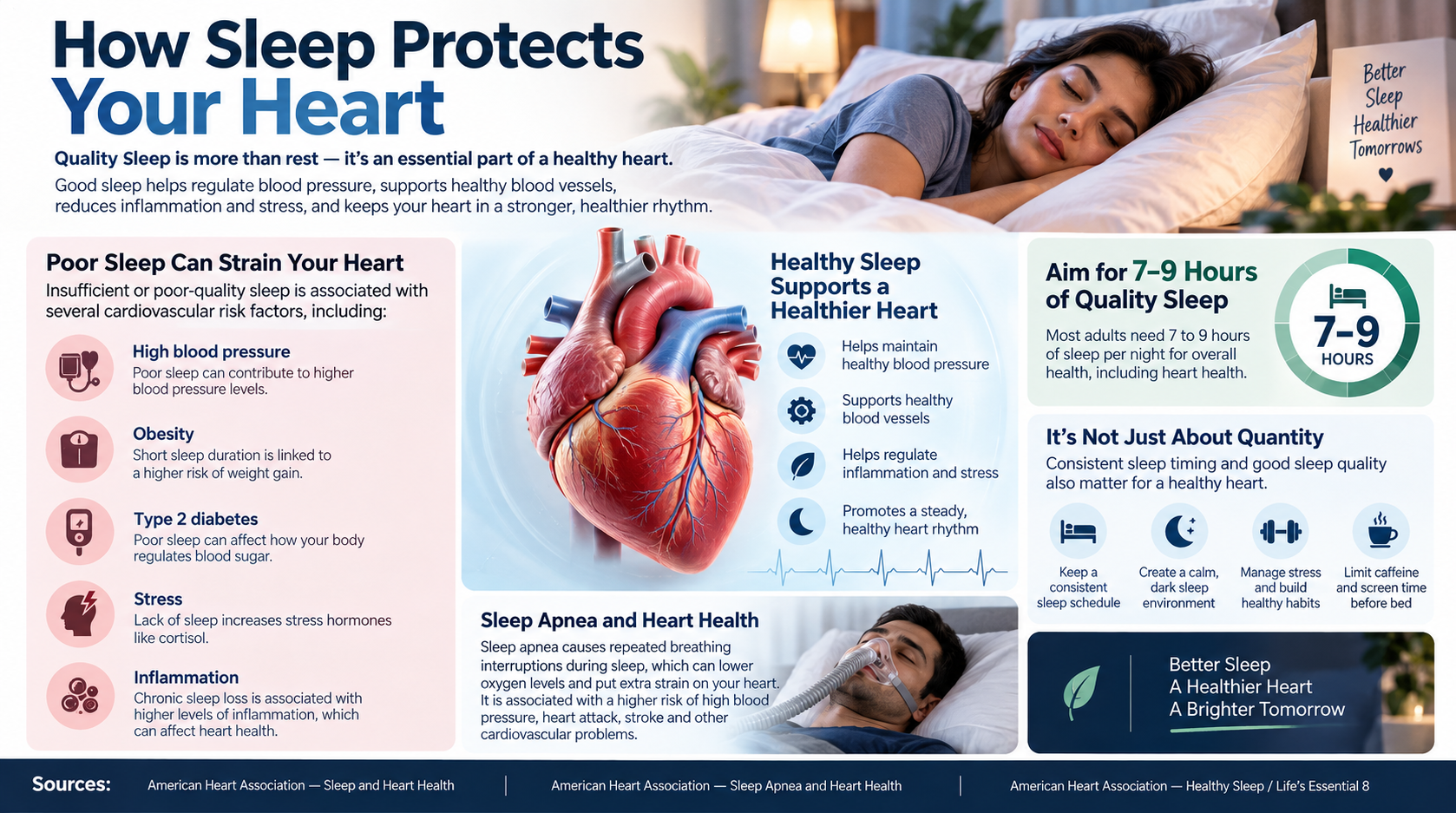
Every night, your heart gets a scheduled break. During deep, uninterrupted sleep, your heart rate slows, your blood pressure dips by 10 to 20 percent (a pattern doctors call “nocturnal dipping”), and your nervous system shifts out of the fight-or-flight state it runs in during the day.
This nightly dip isn’t a minor detail — it’s one of the main reasons the benefits of sleep for heart health show up so clearly in long-term studies. People who consistently get that overnight blood pressure drop tend to have a lower risk of heart attack, stroke, and heart failure over the following decades, compared to people whose blood pressure stays elevated around the clock.
When sleep is short, fragmented, or interrupted by breathing pauses, that nightly recovery window shrinks or disappears entirely. The heart never gets its break. Over months and years, this shows up as higher resting heart rate, stiffer blood vessels, more inflammation, and a heart muscle that has to work harder for the same amount of blood flow.
This is why a single bad night rarely causes lasting damage, but a chronic pattern of poor sleep — especially from undiagnosed sleep apnea — is treated by cardiologists as a genuine risk factor, right alongside smoking, high cholesterol, and inactivity.
It’s not just anecdotal guidance either: the American Heart Association now includes sleep duration as one of its official “Life’s Essential 8” — the core, evidence-based metrics used to measure cardiovascular health, alongside diet, physical activity, and blood pressure. Sleep earning a spot on that list is a reflection of just how much research now backs the sleep and heart health connection.
The Science Behind Sleep and Heart Health
The link between sleep and heart health runs through three main pathways: blood pressure regulation, heart rhythm stability, and inflammation control — plus a fourth factor researchers are increasingly focused on: consistency.
Blood Pressure Regulation
Sleep is when your autonomic nervous system switches from sympathetic dominance (alert, active, “on”) to parasympathetic dominance (rest and digest). This switch is what allows blood pressure to fall overnight.
In people with sleep apnea, breathing pauses trigger repeated micro-awakenings that spike adrenaline and cortisol dozens or even hundreds of times a night, which keeps the sympathetic system switched on and blood pressure elevated — even while the person is technically “asleep.”
Heart Rhythm Stability
Every time breathing stops during a sleep apnea event, oxygen levels drop — a pattern doctors call intermittent hypoxia — and the heart has to compensate. This repeated oxygen drop-and-recover cycle is strongly associated with atrial fibrillation (an irregular, often rapid heartbeat) and other rhythm disturbances.
It’s one of the more common explanations for the “racing or pounding heart” sensation people report waking up with, especially if it happens more on nights they slept poorly.
Inflammation Control
Poor sleep raises circulating levels of inflammatory markers like C-reactive protein and interleukin-6. Chronic low-grade inflammation is now considered a direct contributor to plaque buildup in the arteries — the process behind most heart attacks and strokes.
One large-scale sleep heart health study, which followed thousands of adults over multiple years, found that people with untreated moderate-to-severe sleep apnea had a substantially higher rate of cardiovascular events than those without it, even after adjusting for weight, age, and blood pressure.
Sleep Consistency Matters Almost as Much as Duration
Total hours aren’t the whole story. A growing body of research links irregular sleep and wake times — even when total sleep duration looks adequate on paper — to a higher long-term risk of heart disease, independent of how many hours were logged.
Your cardiovascular system runs on a circadian rhythm, and inconsistent bed and wake times disrupt that rhythm the same way short sleep does. Going to bed and waking at roughly the same time every day, weekends included, is a genuinely protective habit on its own.
Is Sleep Good for Heart Health? Here’s What Cardiologists Say
Cardiologists increasingly ask about sleep the same way they ask about diet and exercise, because the evidence is that strong. It’s not just “sleep more and you’ll feel better” advice — it’s a specific, measurable relationship.
Consistently getting 7 to 9 hours of quality sleep is associated with lower rates of hypertension, coronary artery disease, and heart failure. But quantity alone isn’t the full picture, which is why “just sleep more” often isn’t the fix people are told it is.
If you’re getting 7 to 8 hours but still waking up exhausted, the quality of that sleep matters more than the hours logged. Fragmented sleep — even if the total time in bed looks fine on paper — doesn’t give your cardiovascular system the recovery window it needs.
This is exactly why sleep specialists don’t just ask “how many hours do you sleep,” they ask about snoring, gasping, morning headaches, and daytime fatigue.
Those are the clues that point to sleep apnea rather than simple insufficient sleep, and they call for a sleep study, not just an earlier bedtime. For a broader picture of the condition itself, our guide to 9 sleep apnea facts covers what most people get wrong about it.
What Happens When You Don’t Get Enough Sleep
Short-term sleep deprivation causes a temporary spike in blood pressure and heart rate, along with higher cortisol. Most people recover from a rough week within a few good nights. The bigger concern is a chronic pattern, especially when it’s driven by something you can’t simply “will” your way out of, like untreated sleep apnea.
Here’s what tends to show up over time with chronically poor or interrupted sleep:
- Higher resting blood pressure, often the “unexplained” high blood pressure your doctor may have flagged without asking about your sleep
- Increased resting heart rate, since the heart is compensating for lower oxygen efficiency and higher stress hormone exposure
- Greater insulin resistance, which raises the risk of type 2 diabetes — itself a major heart disease risk factor
- Higher rates of arrhythmia, including atrial fibrillation, which can feel like a racing or pounding heart
- Weight gain, partly because poor sleep disrupts the hormones (ghrelin and leptin) that regulate hunger and fullness
- Reduced heart rate variability, a marker of how well your nervous system balances stress and recovery, which tends to drop with chronic sleep disruption
If your doctor has mentioned blood pressure concerns but never asked about your sleep, it’s worth bringing it up yourself at your next visit — particularly if you snore, wake up gasping, or have been told by a partner that you stop breathing at night.
Sleep Apnea and Your Heart: The Missing Connection
This is the piece that gets left out of a lot of conversations: obstructive sleep apnea (OSA) isn’t just a sleep problem. It’s a cardiovascular problem that happens to show up at night.
Each time your airway collapses during an apnea event, your blood oxygen level drops. Your brain responds by briefly waking you up — often without you remembering it — to restart normal breathing. This can happen dozens of times per hour in moderate-to-severe cases, measured by what’s called the apnea-hypopnea index (AHI).
Each event is a small but real stress test for your heart: a burst of adrenaline, a spike in blood pressure, and a strain on the heart muscle. Multiply that by hundreds of times a night, night after night, and it becomes clear why untreated OSA is linked to a meaningfully higher risk of hypertension, atrial fibrillation, heart failure, and stroke.
If a partner has mentioned that you gasp, snore heavily, or seem to stop breathing, that’s not just a sleep-quality issue to shrug off — it’s a specific, testable red flag for a condition that directly affects your heart. Loud snoring can also sometimes point to a structural cause rather than airway collapse alone; if nasal obstruction seems to be part of the picture, our guide on the deviated septum and sleep apnea connection explains how the two can overlap.
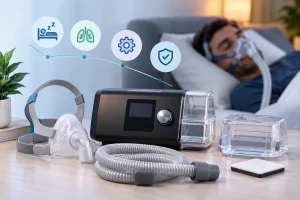
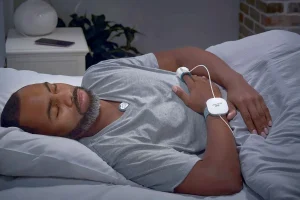
Either way, a home sleep test or an in-lab sleep study can confirm what’s actually happening, and treatment — most commonly CPAP therapy — is one of the more effective interventions available for reducing that cardiovascular strain.
This is also why CPAP therapy is prescribed specifically with heart health in mind, not just to stop snoring. Consistent CPAP use keeps the airway open, which prevents the oxygen drops and adrenaline spikes that stress the cardiovascular system.
Studies on CPAP adherence consistently show that people who use their device regularly see measurable improvements in blood pressure and a reduction in cardiovascular event risk compared to those who use it inconsistently or not at all.
If you’re already using a CPAP and finding it hard to stick with some nights, knowing that the “why” is specifically about protecting your heart — not just reducing daytime grogginess — is often the motivation that makes consistent use stick.
Can the Damage Be Reversed?
This is one of the most common questions cardiologists and sleep specialists hear, and the honest answer is encouraging: much of the cardiovascular strain from poor sleep is reversible, especially if it’s caught and addressed before it progresses to structural heart changes.
Blood pressure often begins improving within weeks of starting effective treatment for sleep apnea, particularly consistent CPAP use. Inflammation markers tend to decrease as sleep quality improves. Resting heart rate and heart rate variability typically improve as well. The earlier the intervention, the more complete the recovery tends to be, which is part of why doctors push for a sleep study sooner rather than later when the warning signs are there.
That said, reversal isn’t instant, and it isn’t automatic just from “trying to sleep more.” It comes from consistently treating the underlying issue — whether that’s sleep apnea, insomnia, or another sleep disorder — combined with the same heart-healthy basics that matter for everyone: regular physical activity, a reasonable weight, limited alcohol close to bedtime, and not smoking.
Practical Steps to Protect Your Heart Tonight
- Get evaluated if you snore, gasp, or have been told you stop breathing at night. A home sleep test is a low-effort first step, and if nasal congestion or a blocked-feeling airway is part of the picture, this quick at-home deviated septum self-test can help you flag a possible structural cause worth mentioning to your doctor.
- Keep a consistent sleep and wake time, even on weekends — irregular schedules disrupt the same circadian rhythm that protects your heart, independent of total hours slept.
- Use your CPAP every night, for the full night, if you’ve already been prescribed one. Partial use still leaves cardiovascular strain on the table.
- Limit alcohol within a few hours of bedtime. It relaxes the airway muscles, which can worsen apnea events.
- Track your resting heart rate and blood pressure at home if you have a history of either — patterns over weeks tell a doctor far more than a single office reading.
- Bring up your sleep at your next cardiology or primary care visit, even if no one has asked. It’s a two-minute conversation that can change how your other symptoms are interpreted.
FAQ's
Is there a connection between lack of sleep and heart attacks?
Yes, there is a well-established connection between lack of sleep and heart attack risk. Chronic short or fragmented sleep raises blood pressure, increases inflammation, and disrupts the hormones that regulate blood sugar and appetite — all of which contribute to plaque buildup in the arteries. People with untreated sleep apnea, in particular, show significantly higher rates of heart attacks compared to those who sleep well or receive treatment.
Can lack of sleep cause heart problems?
Yes, lack of sleep can directly contribute to heart problems, including high blood pressure, irregular heart rhythms, and an increased long-term risk of heart failure. The mechanism involves elevated stress hormones, reduced nighttime blood pressure recovery, and ongoing low-grade inflammation. A single poor night is unlikely to cause lasting harm, but a chronic pattern is treated by doctors as a genuine cardiovascular risk factor.
Does sleep affect heart health?
Yes, sleep significantly affects heart health in both directions — good sleep supports healthy blood pressure and heart rhythm, while poor or interrupted sleep strains the cardiovascular system. This happens through changes in your autonomic nervous system, hormone levels, and inflammation during the hours you’re asleep. It’s one of the reasons doctors now consider sleep quality alongside diet and exercise when assessing heart disease risk.
How does lack of sleep affect heart rate?
Lack of sleep tends to raise resting heart rate and reduce heart rate variability, a measure of how well your body balances stress and recovery. This happens because insufficient or fragmented sleep keeps your sympathetic nervous system more active than it should be, so your heart works harder even at rest. In people with sleep apnea, heart rate can also spike sharply during each breathing pause, which some people notice as a racing or pounding sensation upon waking.
Can heart failure cause sleep problems?
Yes, heart failure and sleep problems often go together and can worsen each other. Fluid buildup associated with heart failure can make lying flat uncomfortable and trigger breathing difficulty at night, while heart failure itself is strongly linked to a higher rate of central and obstructive sleep apnea. If you have diagnosed heart failure and are also experiencing new sleep disturbances, it’s worth discussing a sleep evaluation with your cardiologist.
Is sleep apnea linked to heart disease?
Yes, sleep apnea is one of the more well-established risk factors for heart disease, particularly hypertension, atrial fibrillation, and heart failure. The repeated drops in oxygen and spikes in stress hormones that occur during apnea events place ongoing strain on the cardiovascular system. Treating sleep apnea, most commonly with CPAP therapy, has been shown to reduce this added cardiovascular risk over time.
Can improving sleep habits reverse heart risk?
In many cases, yes — a meaningful portion of the cardiovascular strain caused by poor sleep can improve once the underlying sleep issue is treated. Blood pressure, inflammation markers, and resting heart rate often begin improving within weeks of consistent treatment, such as regular CPAP use for sleep apnea. The earlier the issue is identified and treated, the more complete the improvement tends to be.
How many hours of sleep protect heart health?
Most cardiovascular research points to 7 to 9 hours of quality sleep per night as the range associated with the lowest heart disease risk. Both consistently shorter sleep (under 6 hours) and consistently longer sleep (over 9 hours) have been linked to higher cardiovascular risk in large population studies. Quality and consistency matter as much as quantity — fragmented sleep from conditions like sleep apnea can carry cardiovascular risk even when total hours look sufficient.
The Bottom Line
The benefits of sleep for heart health aren’t a minor wellness detail — they’re measurable, well-studied, and increasingly central to how cardiologists assess risk.
Quality, consistent sleep gives your cardiovascular system the nightly recovery window it needs; chronic poor sleep, especially from undiagnosed apnea, takes that window away and quietly increases the risk of high blood pressure, arrhythmia, and heart failure over time.
The reassuring part is that most of this strain responds to treatment, often within weeks of getting sleep apnea properly managed.
If any of the symptoms above sound familiar — racing heart on waking, unexplained blood pressure concerns, a partner who’s mentioned your breathing at night — the next step isn’t complicated. Start with a home sleep test and get a real answer instead of guessing.
Resources & Further Reading
- American Heart Association
- Sleep Foundation
- National Heart, Lung, and Blood Institute
- CDC — Sleep and Health
- American Academy of Sleep Medicine
Medical Disclaimer: This article is for general education only and is not medical advice. If you have symptoms of sleep apnea or concerns about your heart health, consult a qualified healthcare provider. In an emergency—such as chest pain or severe shortness of breath—seek immediate medical care.