
Table of Contents
Are CPAP cleaners worth the money? For most users, no. Washing your mask, tubing and water chamber with mild soap and warm water is the standard method, and the FDA has not authorized ozone or UV devices as general-purpose CPAP cleaning methods.
In this guide, we’ll explain how CPAP cleaners work, what the FDA says about them, what they cost, and five safe ways to keep your equipment clean without one.
Keep Your CPAP Clean the Simple Way
Most users don't need an expensive cleaner. Fresh parts on a regular schedule go a long way.
Prices may change. Check the product page for current price and availability.
What Do CPAP Cleaners Actually Do?
There are two main kinds of CPAP cleaners: ozone-based cleaners and UV light sanitizers.
Ozone cleaners pump ozone gas through your mask and tubing, and sometimes into the water chamber, to kill germs. The idea is that ozone can reach spots that are hard to clean by hand. However, the FDA has not authorized ozone devices as a general-purpose way to clean CPAP equipment and has raised safety concerns about them.
UV light sanitizers shine ultraviolet light onto your equipment, because UV light at certain wavelengths can damage bacteria and other microbes. It sounds simple, but the FDA notes that UV light only works on surfaces it reaches directly, so it may not clean the inside of tubing or other hidden areas.
Manual cleaning is different. Washing with mild soap and water physically removes skin oils, dust and residue from your mask, tubing and water chamber. That matters because CPAP gear doesn’t just collect germs; it also collects buildup that only washing removes. If you’re new to the routine, our guide on how to clean a CPAP machine walks through each part.
Do CPAP Cleaning Machines Actually Work?
Some devices may reduce bacteria under certain conditions, but that doesn’t mean they fully clean or disinfect CPAP equipment. None of them remove oils and residue the way washing does.
Some users find automated cleaners convenient for keeping a consistent routine. Convenience, however, isn’t the same as strong clinical evidence, and broad claims about CPAP sanitizing devices remain limited.
Are There Any FDA-Approved CPAP Cleaners?
No CPAP cleaner is FDA-approved as a general-purpose way to clean or disinfect CPAP equipment. The FDA has not authorized ozone or UV devices for that use, and it has warned about ozone exposure and incomplete UV cleaning.
SoClean 3+ has received FDA De Novo authorization as an adjunct bacterial-reduction device for certain compatible equipment. That means it’s meant to be used alongside regular washing, not instead of it. Note that “authorized” and “approved” aren’t the same thing in FDA terms, so be careful with any product that claims to be “FDA-approved” for CPAP cleaning.
Are Ozone CPAP Cleaners Safe? FDA Warnings Explained
The FDA has raised safety concerns about ozone-generating devices marketed for use with CPAP equipment. According to the FDA, ozone exposure can cause symptoms such as coughing, nasal irritation, headaches and breathing difficulties. The FDA has also noted that ozone may remain in CPAP equipment after a cleaning cycle, which can create a potential exposure risk.
The FDA has also raised concerns about UV-based CPAP cleaners, including incomplete cleaning when UV light doesn’t reach every surface, and potential exposure to UV radiation.
If you do use an automated cleaner, read its safety information, confirm it’s compatible with your machine and mask, and keep washing your equipment as your manufacturer recommends.
Is SoClean Worth It? (SoClean 3+ Review)
SoClean is the best-known CPAP cleaner. It uses activated oxygen, which is ozone, in a closed chamber that holds your mask while it’s still connected to the tubing.
What users like:
- A hands-off cycle that’s less work than taking parts apart every time
- An easy, consistent routine
- Helpful for people who have trouble handling small parts or cleaning by hand
What to weigh:
- A higher upfront cost, plus ongoing filter and cartridge replacements
- The FDA’s safety concerns about ozone exposure
- You still need to wash your equipment to remove oils and residue
- Compatibility varies by machine and mask, so check before you buy
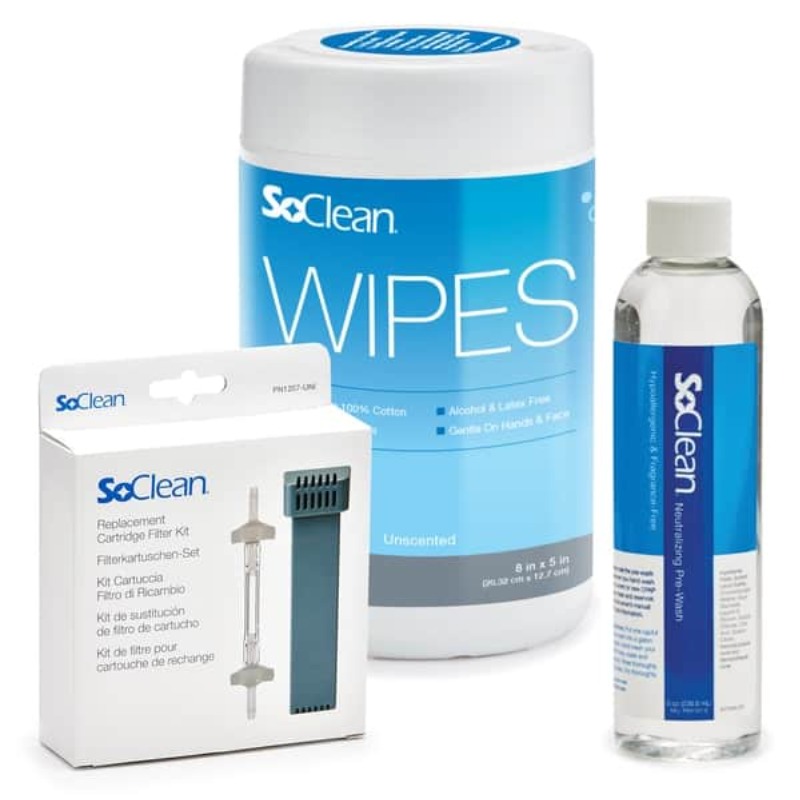
Verdict: SoClean can be worth it if convenience or limited hand mobility is your main problem and you still keep up with washing. For most users, it’s an optional extra, not a must-have. If you already own a SoClean 2, the SoClean Care Kit bundles the replacement filter kit, wipes and pre-wash you’ll need.
Are CPAP Cleaners Necessary?
For most users, no. Regular manual cleaning, following your CPAP manufacturer’s instructions, remains the standard way to maintain your equipment. Each part has its own schedule. The water chamber, for example, needs daily care, and our CPAP water tank cleaning tips cover it step by step.
Regular cleaning removes oils, dust, residue and other buildup from your mask, tubing and humidifier, keeping your equipment comfortable and ready to use every night.
How Much Do CPAP Cleaners Cost?
Automated CPAP cleaners often cost a few hundred dollars upfront. For example, the Lumin UV cleaner was listed at $269 on cpapRX (currently out of stock). On top of that, plan for ongoing costs such as replacement filters, cartridges or accessories.
Manual cleaning costs very little: mild, fragrance-free soap, warm water, and the replacement parts you’d need to buy anyway. If you’re choosing where to spend your money, fresh cushions, filters, tubing and water chambers usually do more for your setup than a cleaning device.
So, Are CPAP Cleaners Worth the Money?
So, are CPAP cleaners worth the money? For most people, no. An automated cleaner is an extra expense, not a replacement for routine washing.
A cleaner may be worth it if you have trouble handling or cleaning your equipment regularly, as long as you’ve checked its safety information and compatibility. If you can follow a simple cleaning routine, your money is usually better spent on replacement masks, cushions, tubing, filters and humidifier parts.
Manual Cleaning vs CPAP Cleaning Machines: Comparison Table
| Factor | Manual Cleaning | CPAP Cleaning Machines |
|---|---|---|
| How it works | Uses water and mild soap to remove dirt, oils and residue. | Uses ozone or UV light to reduce microorganisms under specific conditions. |
| Cost | Low-cost, using basic cleaning supplies. | Higher upfront cost, plus filters, cartridges or accessories. |
| Cleaning process | Hands-on washing and air-drying. | Automates part of the process but doesn’t replace washing. |
| FDA status | The standard method in CPAP manufacturer instructions. | Authorization varies by device and intended use. Ozone and UV devices are not authorized as general-purpose CPAP cleaning methods. |
| Best for | Most users. | Users who want extra convenience and have verified the device’s safety and compatibility. |
| Main consideration | Takes regular effort and consistency. | Added cost and device-specific limits. |
5 Safe Ways to Clean Your CPAP Without a Cleaner
- Wash the mask cushion daily. Use warm water and mild, fragrance-free soap, rinse well, and air-dry out of direct sunlight. If your cushion stays greasy, loses its seal or shows wear, it’s time to replace it, for example with AirFit F20 replacement cushions.
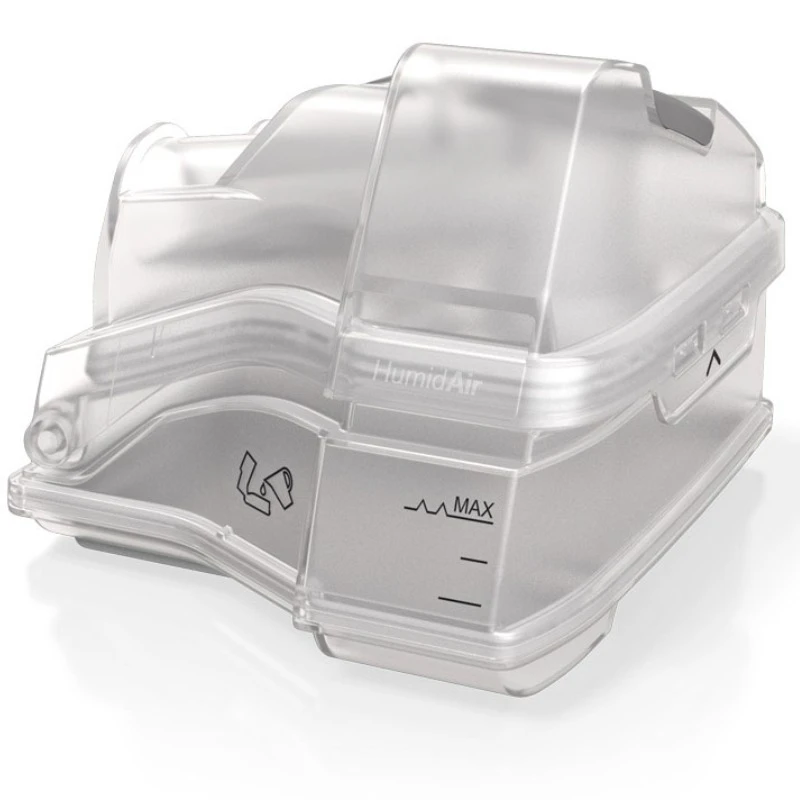
- Empty the water chamber every morning. Rinse it, let it air-dry, and refill with distilled water at night. If your tank stays cloudy or hard to clean, replace it. For AirSense 11 users, a HumidAir 11 standard water tank costs less than most cleaning gadgets.
- Wash the tubing, headgear and full mask weekly. Use warm soapy water, rinse thoroughly, and hang the tubing to dry.
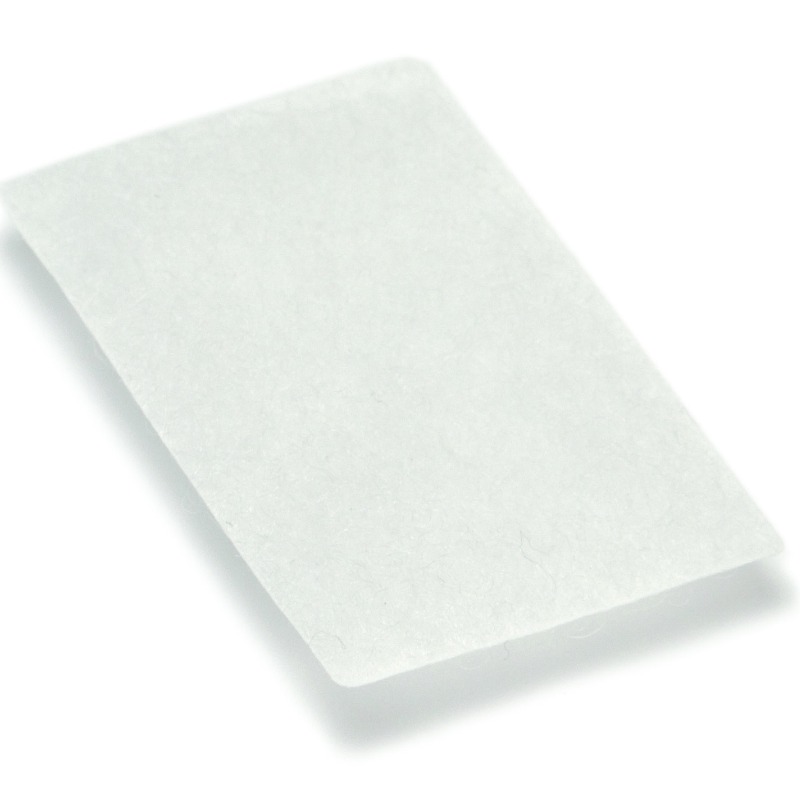
- Replace filters on schedule. Don’t wash disposable filters unless your manufacturer says they’re washable. For AirSense 11, disposable standard filters are an easy, low-cost swap.
- Skip harsh products. Avoid bleach, alcohol, and scented or moisturizing soaps unless your manufacturer approves them, since they can damage parts or leave residue.
Exact schedules vary by brand, so follow the cleaning guide for your machine and mask.
FAQ's
Are there any FDA-approved CPAP cleaners?
The FDA has not authorized ozone or UV devices as general-purpose methods for cleaning or disinfecting CPAP equipment. SoClean 3+ has received De Novo authorization as an adjunct bacterial-reduction device for certain compatible equipment, not as a replacement for regular cleaning.
How much do CPAP cleaners cost in the US?
The cost of CPAP cleaning devices varies by type, brand, and features. Consider the device price as well as any accessories or replacement components before buying.
Can I use a CPAP cleaner instead of washing with soap and water?
Automated cleaners should not automatically be treated as a replacement for routine cleaning. Follow the cleaning and maintenance instructions provided by your CPAP manufacturer.
Are UV light CPAP cleaners safer than ozone cleaners?
UV and ozone devices work differently and have different limitations. UV light only affects surfaces that receive sufficient exposure, while ozone can remain in CPAP tubing after a cleaning cycle. Check the manufacturer’s instructions and safety information before using either type.
How often should I clean my CPAP equipment?
Follow the cleaning schedule provided by your CPAP manufacturer. Different CPAP components may have different cleaning and replacement instructions.
Final Words
Are CPAP cleaners worth the money? For most users, no. They can add convenience, but they don’t replace washing your equipment with mild soap and warm water. Follow your manufacturer’s cleaning instructions, replace worn parts on schedule, and treat an automated cleaner as an optional extra, not a must-have.
For routine maintenance, browse our CPAP replacement supplies for fresh cushions, filters, tubing and water chambers. Have questions about your therapy? Book a sleep coach session.
Sources & Further Reading
- FDA — Do You Need a Device That Claims to Clean a CPAP Machine?
- FDA — De Novo Database (search “SoClean” for its authorization details)
Medical Disclaimer: This content is for informational purposes only and is not a substitute for professional medical advice, diagnosis, or treatment. Always follow your CPAP manufacturer’s cleaning and maintenance instructions, and talk to your doctor or sleep specialist about any concerns with your therapy or equipment.